If you are getting ready to sell in Bellmore, here is the good news: buyers are active. Here is the catch: a strong market does not make prep optional. In a market where homes are selling around asking price and first impressions matter, the homes that look clean, cared for, and easy to understand often have the best chance to stand out. This guide will help you focus on the prep work that matters most, avoid common missteps, and get your home ready before it hits the market. Let’s dive in.
Why prep still matters in Bellmore
Bellmore is active, but it is not effortless. Recent market snapshots show a median for-sale price of $849,000 on Realtor.com, a median sale price of $759,608 on Redfin for the three months ending April 2026, and an average home value of $818,447 on Zillow, with values up 4.4% year over year. Even though the figures vary by source, they point to the same takeaway: buyers are engaged, and presentation can still shape your result.
Recent data also suggests homes in Bellmore are moving in roughly one to two months. Realtor.com reported a median of 30 days on market in March 2026, while Redfin showed 58 days on market over a different time window. That means your launch matters, especially in the first days and weeks when your listing is getting its most attention.
Start with the right prep order
One of the biggest mistakes sellers make is doing work out of sequence. It is easy to jump into expensive upgrades before taking care of the basics, but that often adds stress without adding much value. A better approach is to handle the work in the order buyers are most likely to notice it.
For most Bellmore sellers, the strongest sequence looks like this:
- Declutter and depersonalize
- Deep clean
- Repaint where needed
- Fix obvious repairs
- Improve curb appeal
- Stage key spaces
- Take photos and launch
This order supports both in-person showings and online presentation. Since buyers rely heavily on listing photos, your home should be fully ready before photography happens, not after.
Declutter first to make rooms read bigger
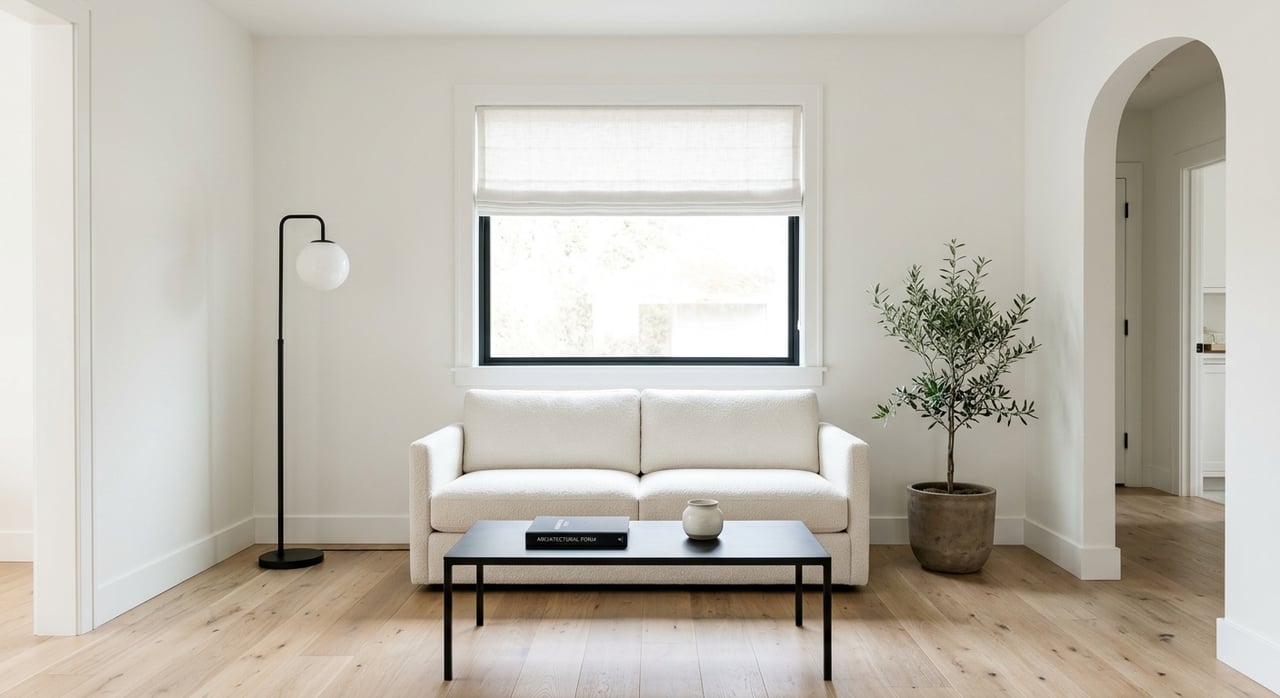
Decluttering is one of the highest-impact steps because it changes how buyers see the space. A crowded room can feel smaller, darker, and harder to understand. A simpler room feels more open and easier to picture as a future home.
In Bellmore, local feature trends suggest buyers respond well to practical, livable features like open floorplans, eat-in areas, hardwood floors, decks, fences, landscaping, and vinyl siding. That is a strong reason to remove extra furniture, bulky decor, and anything that interrupts the flow of a room. You want each space to feel clear, bright, and easy to navigate.
Depersonalizing matters too. Family photos, highly specific decor, and overloaded shelves can distract from the house itself. The goal is not to make your home feel cold. It is to help buyers focus on the space, not your belongings.
Clean and repaint before you do anything flashy
A clean home signals care. Buyers notice dusty vents, cloudy shower glass, scuffed baseboards, and fingerprints on doors more than sellers often realize. Before you think about upgrades, make sure the home feels fresh from top to bottom.
Paint is often one of the smartest pre-sale investments because it makes a home feel newer without a full renovation. NAR’s 2025 remodeling report showed that painting the entire home and painting individual rooms were among the projects real estate professionals most often recommend before listing. If your walls are bold, worn, or patched, fresh neutral paint can go a long way.
This is especially helpful if you want your photos to look clean and consistent. Bright, simple walls help natural light bounce around the room and make the home easier for buyers to read online.
Fix visible issues buyers will notice quickly
You usually do not need a full remodel before you sell. In fact, the better strategy is often to fix the things that look worn, broken, or unfinished. Buyers tend to react strongly to deferred maintenance because it raises questions about what else may have been overlooked.
Focus first on items like:
- Dripping faucets
- Loose handles or hinges
- Cracked caulk
- Stained ceilings or walls
- Burned-out light bulbs
- Damaged flooring
- Chipped front steps or walkways
- Doors that stick or do not close properly
If a larger item is clearly showing its age, it may deserve attention too. NAR’s remodeling research also pointed to roofing, front doors, exterior siding paint, wood flooring, minor kitchen updates, and bathroom improvements as projects with strong appeal. That does not mean you should gut your kitchen before listing. It does mean visible, buyer-facing updates often matter more than ambitious renovation plans.
Put real effort into curb appeal
Curb appeal is not just a nice extra. It sets the tone before a buyer ever walks inside. NAR’s outdoor-features report found that 97% of members believe curb appeal is important in attracting a buyer, and 92% have suggested sellers improve it before listing.
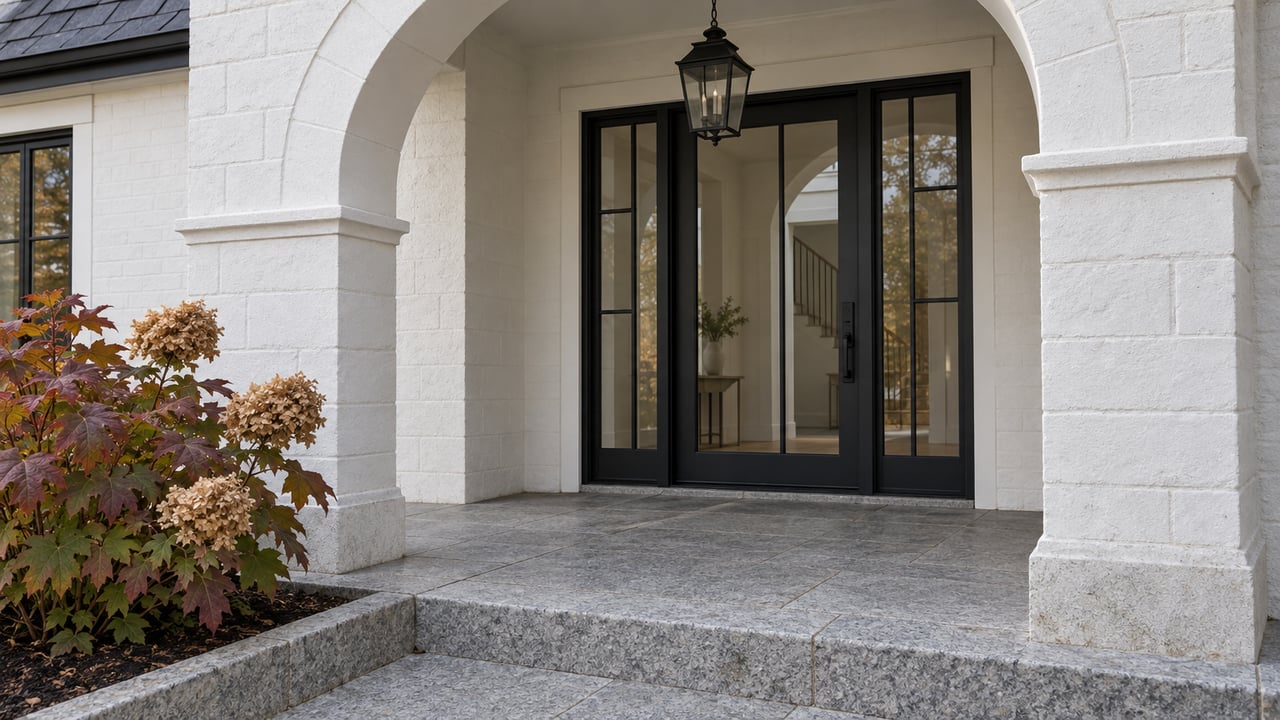
For a Bellmore home, curb appeal often comes down to simple, consistent maintenance. A neat lawn, trimmed shrubs, fresh mulch, a swept walkway, and a clean front entry can make a strong impact. If your front door, hardware, or lighting looks tired, refreshing those details can help the home feel better cared for right away.
This step matters in photos too. Your exterior image is often the first thing a buyer sees, so it should look polished, not rushed.
Stage the rooms that matter most
You do not need to stage every inch of the house to get results. Strategic staging works because it helps buyers understand how the home lives. According to NAR’s 2025 staging report, 83% of buyers’ agents said staging makes it easier for buyers to visualize a home as a future residence.
The same report found that the most important rooms to stage are the living room, primary bedroom, and kitchen. If you are deciding where to spend your time and budget, start there. Those are the spaces buyers tend to remember most.
Staging does not have to mean an expensive redesign. NAR reported a median staging spend of $1,500 when using a staging service and $500 when the seller’s agent personally staged the home. In many cases, thoughtful furniture placement, lighter decor, better lighting, and a few targeted accessories are enough to make the home feel more inviting and more market-ready.
Gather paperwork before the home goes live
In New York, prep is not only about appearance. Documentation matters too. The Property Condition Disclosure Act requires most sellers of one- to four-family residential property to deliver a Property Condition Disclosure Statement before the buyer signs a binding contract.
This is a smart reason to start gathering records early instead of scrambling later. The current New York form asks about items such as floodplain status, wetlands, water damage, basement seepage, septic or cesspool history, lead plumbing, radon testing, roof age, and known defects in systems and structures like plumbing, heating, the foundation, walls, driveway, patio or deck, and air conditioning.
A good pre-listing file may include:
- Repair invoices
- Warranties
- Inspection reports
- Utility or service records
- Permit records
- Certificate of occupancy documents where applicable
If you learn new information that makes an earlier disclosure materially inaccurate, the state requires a revised statement. That is one more reason to get organized before your home hits the market.
Check permits for past renovations
If you added a deck, finished a basement, built a dormer, or completed other alterations, permit history should be part of your prep plan. In Bellmore, the Town of Hempstead Building Department handles permits, inspections, and occupancy-related questions.
This step can be especially important if work was done years ago and paperwork is not easy to locate. Cleaning this up before listing can help reduce delays once a buyer starts asking questions. It also gives you more confidence going into the transaction.
Know the lead disclosure rule for older homes
If your home was built before 1978, there is an additional disclosure requirement. Federal law requires sellers to disclose known lead-based paint information and provide the related lead disclosure materials before the sale.
If you already have prior reports, records, or knowledge of lead hazards, pull those together early. It is much easier to organize this before your listing goes live than to try to find it while negotiations are happening.
Time your prep around photography
A common mistake is launching first and fixing details later. That approach can cost you momentum. Since buyers often see your home online before they ever step inside, the property should be fully prepared before photos are taken.
The best workflow is usually simple: finish repairs and paperwork first, then declutter, paint, clean, stage, photograph, and launch. If you expect to move within the next year, it often makes sense to start the heavier work months in advance and leave only final touch-ups for the last week.
Timing matters because the first two weeks on market are especially important. Bellmore homes are moving, but not every listing gets the same response. A polished launch gives you a better chance to attract strong interest early.
What to skip before listing
Not every project is worth doing before you sell. In many cases, a major kitchen remodel is not necessary. The better use of time and money is often cosmetic work, curb appeal, and repairing items that make buyers hesitate.
Before spending heavily, ask whether the project will make your home look more move-in ready, more functional, or easier to understand. If the answer is no, it may be better to save that money. Buyers in Bellmore appear to value practical, visible features and overall condition more than dramatic design statements.
A simple Bellmore pre-sale checklist
If you want a quick way to focus your prep, use this checklist:
- Remove clutter and personal items
- Deep clean every room
- Repaint worn or bold walls
- Fix visible maintenance issues
- Refresh landscaping and front entry
- Highlight hardwood floors, eat-in areas, decks, and open flow where possible
- Stage the living room, primary bedroom, and kitchen
- Gather disclosure documents and repair records
- Review permit and occupancy history for additions or alterations
- Prepare lead-related records if the home was built before 1978
- Complete all prep before photography
Selling a home in Bellmore is not about doing everything. It is about doing the right things in the right order. With a smart prep plan, strong presentation, and local guidance, you can go to market with more confidence and a better chance of standing out.
If you want help building a focused plan for your Bellmore sale, Nicholas Santillo can help you prioritize the updates that matter, prepare your home for the market, and launch with a strategy built for local buyers.
FAQs
What home prep matters most before selling in Bellmore?
- The highest-priority steps are usually decluttering, deep cleaning, repainting where needed, fixing obvious repairs, improving curb appeal, and staging key rooms before photography.
Do Bellmore sellers need a major remodel before listing?
- Usually not. Research points more toward paint, visible repairs, curb appeal, and practical updates than a full kitchen or whole-home renovation right before a sale.
What rooms should Bellmore sellers stage first?
- The living room, primary bedroom, and kitchen are the top rooms to prioritize because buyers often focus on those spaces most.
What disclosures should Bellmore sellers gather before listing?
- New York sellers should prepare for the Property Condition Disclosure Statement and gather records related to water issues, floodplain status, roof age, system defects, repairs, and other known property conditions.
Should Bellmore sellers check permits before putting a home on the market?
- Yes. If your home has additions, a finished basement, a deck, dormers, or other alterations, reviewing permit and occupancy history through the Town of Hempstead is a smart pre-listing step.
What if a Bellmore home was built before 1978?
- Sellers of pre-1978 homes must disclose known lead-based paint information and provide the required lead disclosure materials before the sale.