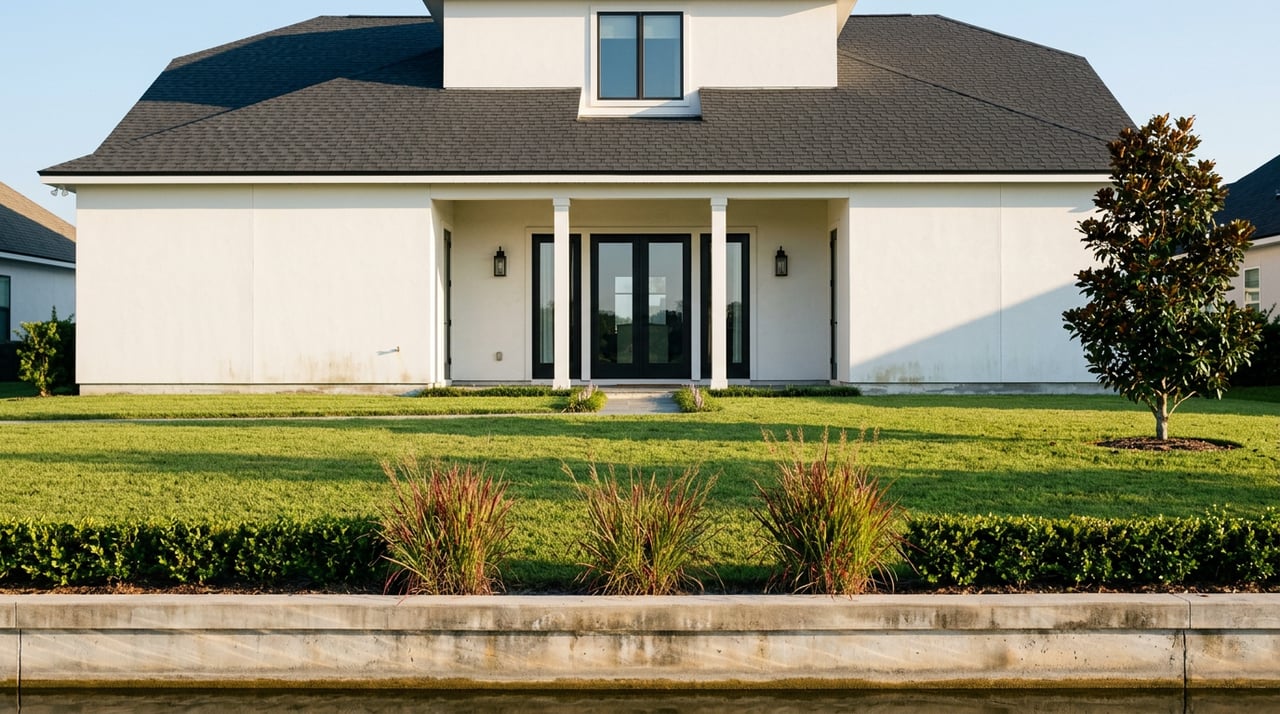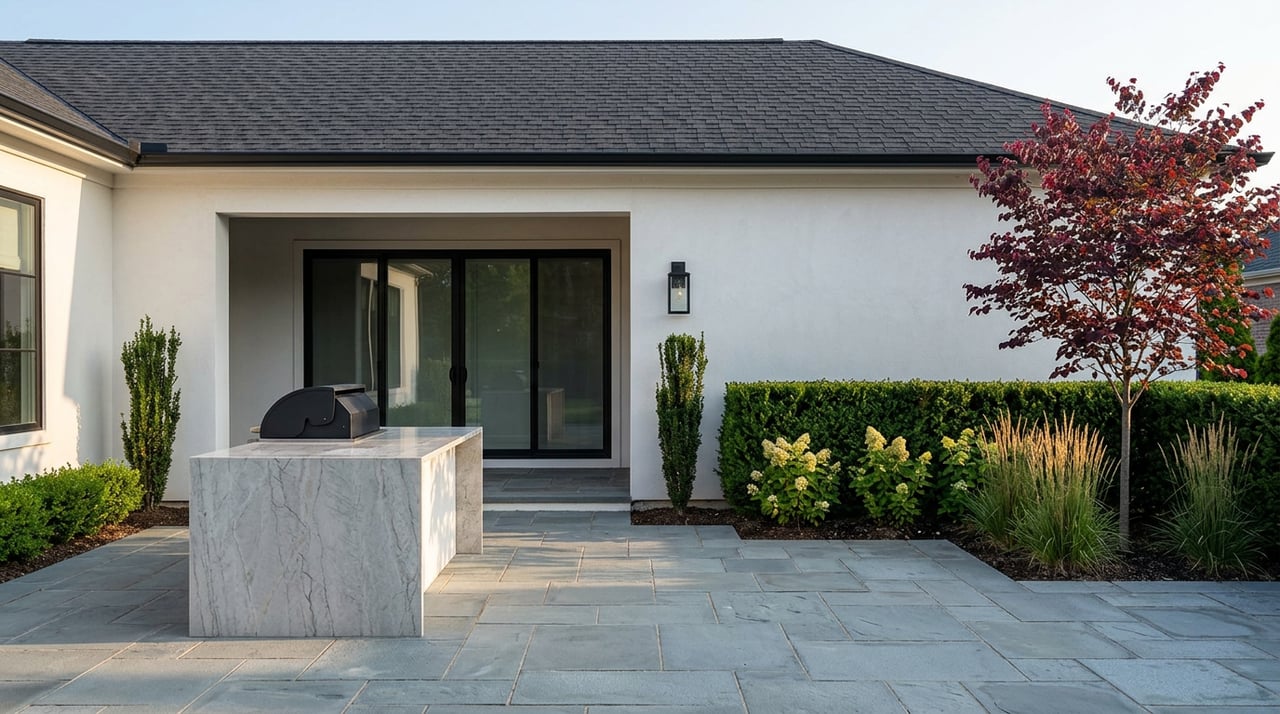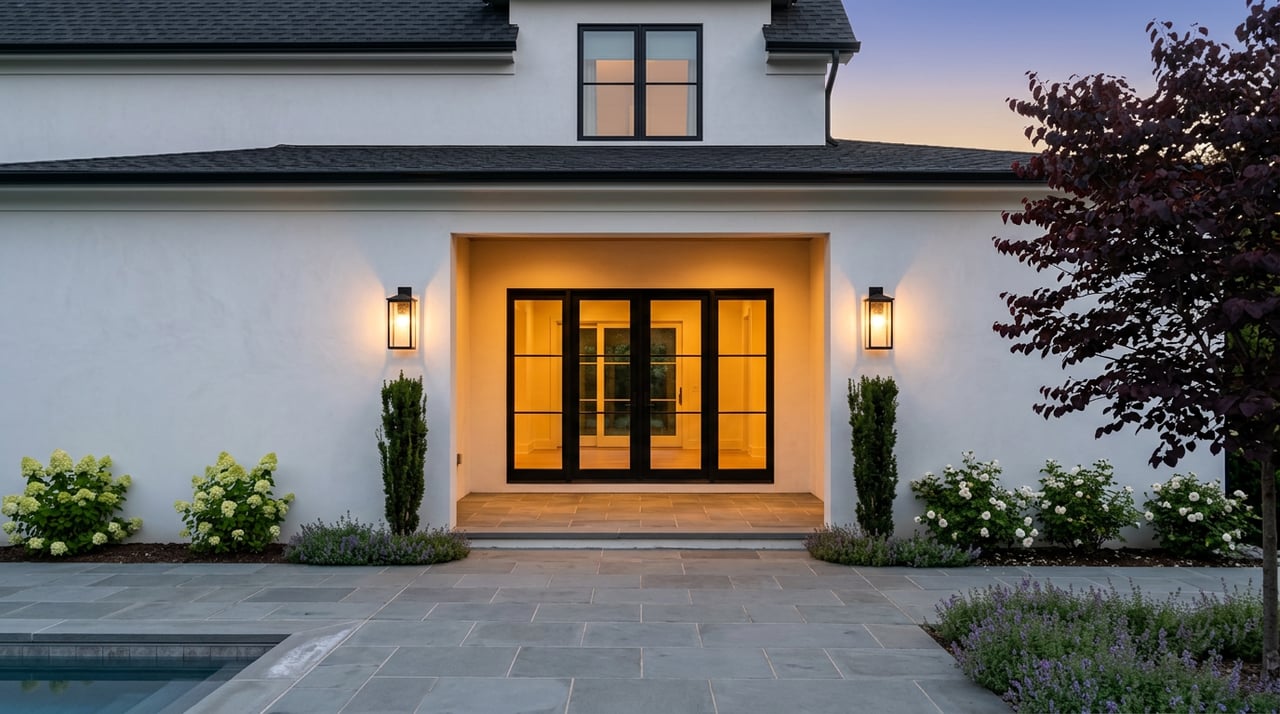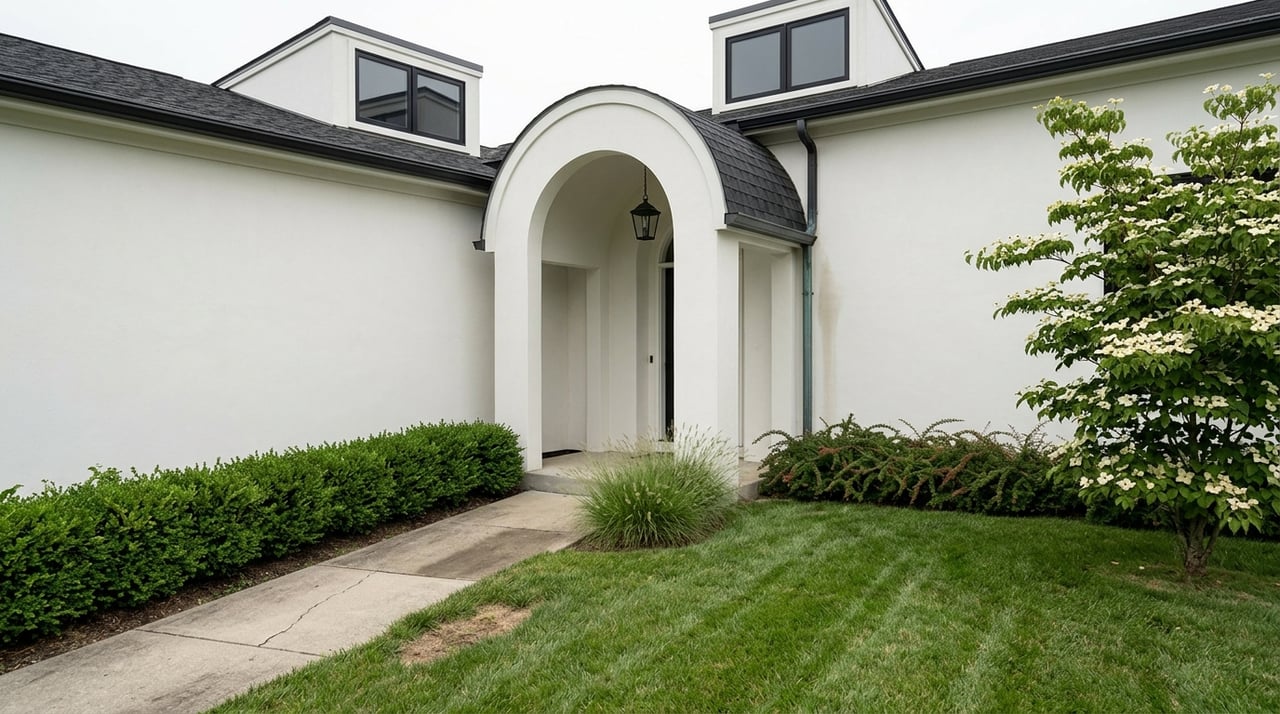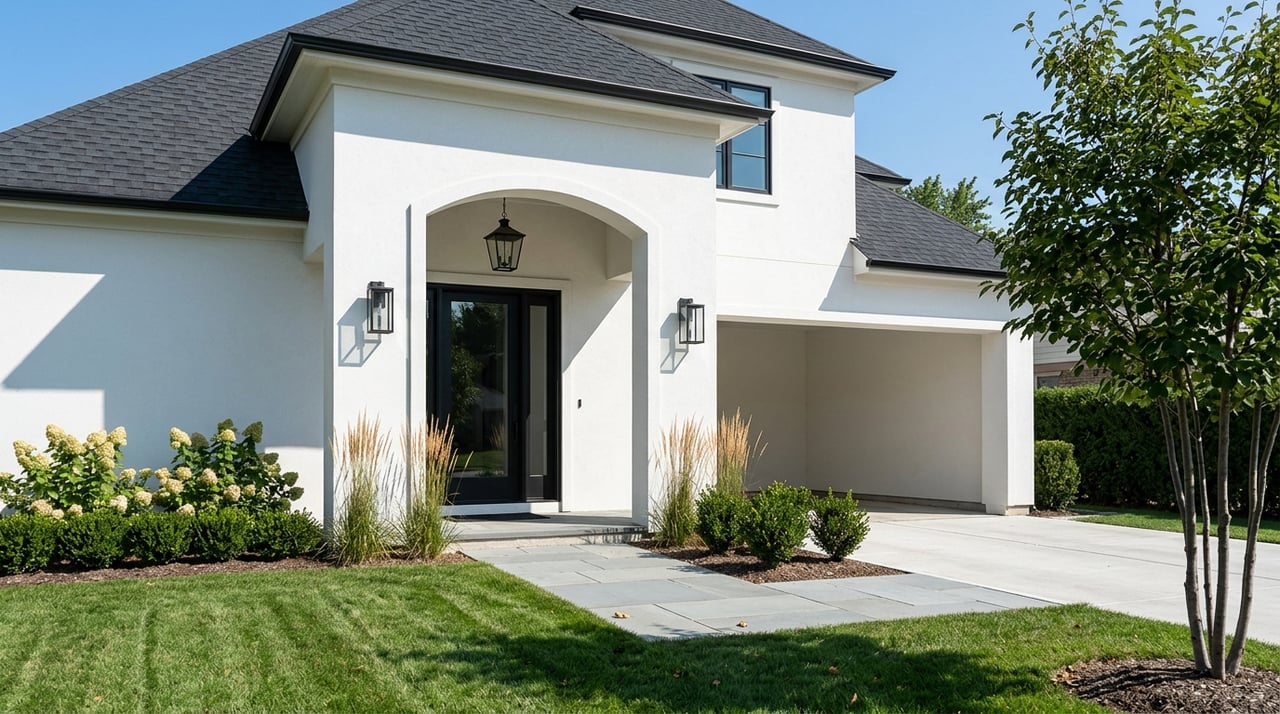
Trying to choose between Merrick and North Merrick? If you are shopping for a home in this part of Nassau County, the two names can sound similar, but the day-to-day feel and housing profile are not exactly the same. The good news is that public data gives you a helpful starting point, and this guide will walk you through the differences that matter most so you can narrow your search with more confidence. Let’s dive in.
Merrick vs. North Merrick at a glance
If you zoom out and look at the public Census snapshot, Merrick is the larger and pricier market. Merrick has 22,040 residents across 3.98 square miles, while North Merrick has 12,238 residents across 1.72 square miles. That larger footprint is one reason Merrick can feel a bit more spread out depending on the block.
Home values also show a noticeable gap in the public data. Merrick has a median owner-occupied home value of $771,900, compared with $675,800 in North Merrick. Median household income is also higher in Merrick at $185,740 versus $161,554 in North Merrick.
If affordability is part of your search, North Merrick may stand out first. If you want the larger market with higher home values and a broader geographic footprint, Merrick may feel like the closer fit. In both cases, it is smart to treat these figures as neighborhood-level context rather than as a prediction for any specific house.
Housing style is similar in both
One thing buyers often want to know right away is whether the housing stock is truly different. In this comparison, both areas are overwhelmingly made up of detached single-family homes. ACS-based neighborhood data show Merrick at 95.7% detached single-family homes and North Merrick at 96.4%.
That means your decision is less about one area being mostly condos or attached homes and more about details like block, home age, layout, updates, and lot. If you are targeting a classic suburban single-family setting, both Merrick and North Merrick check that box on public data.
Merrick may feel a bit roomier
When buyers ask about lot size, public neighborhood data does not give a parcel-by-parcel answer. A cleaner way to compare the two is density. Merrick has a population density of 5,536.3 people per square mile, while North Merrick is denser at 7,119.3 people per square mile.
That suggests North Merrick is generally the more compact housing market, while Merrick may read as slightly roomier overall. That does not mean every home in Merrick has a larger lot, because true lot size can vary a lot from block to block. Still, if you want a broader, less compact feel, Merrick may have the edge based on public geography.
Home age can shape your search
Housing age is another useful filter. Merrick has a more mixed age profile, with 20.0% of homes built before 1940 and 3.6% built in 2010 or later. North Merrick has a median construction year of 1954, and 7.7% of homes were built before 1940.
In practical terms, Merrick may offer a somewhat wider mix of older homes and newer construction in the public data. North Merrick appears a bit more centered around mid-century housing stock. If you care about original architecture, renovation potential, or the chance of finding newer construction, this is a category worth discussing home by home.
Commuting comes down to your block
For many Long Island buyers, commute planning is a major part of the decision. Merrick has its own accessible Long Island Rail Road station on the Babylon Branch. The MTA lists ticket machines, a weekday waiting area, a ticket office, and NICE mini bus connections at the Merrick station.
Bellmore is also an accessible station on the same branch, which matters because your actual commute experience may depend more on which station is easier from your specific address. The Town of Hempstead says resident commuter parking permits can be used in Bellmore, Merrick, Seaford, and Wantagh LIRR commuter lots. That gives you more than one parking and station strategy in this corridor.
North Merrick shows a slightly shorter mean commute in the public data at 36.1 minutes, compared with 38.5 minutes in Merrick. That difference is relatively small, so many buyers will likely get more value from comparing exact block-to-station convenience than from relying on area averages alone.
Merrick stands out for parks and water access
If outdoor amenities matter to you, Merrick has some clear public-facing advantages in this comparison. Norman J. Levy Park & Preserve is a 52-acre town preserve at 1600 Merrick Road with 3.5 miles of trails, fishing, kayak launch access, parking, and restrooms. That gives Merrick a strong park-and-water amenity profile for buyers who want easy access to outdoor recreation.
The Town also lists Merrick Road Park Racquet Sports at 2550 Clubhouse Road, with four lighted tennis hard courts and six pickleball courts. If your ideal weekend includes trails, water access, or racquet sports close to home, these features may make Merrick especially appealing.
That does not mean North Merrick lacks convenience or neighborhood appeal. It simply means the public comparison here gives Merrick the clearer edge for named park and waterfront-style amenities.
School district structure is important
When buyers compare Merrick and North Merrick, school district structure often comes up early. Merrick Union Free School District says it consists of three elementary schools, and students continue on to the Bellmore-Merrick Central High School District. North Merrick Union Free School District lists Camp Avenue, Harold D. Fayette, and Old Mill Road schools.
The Bellmore-Merrick Central High School District says it serves students in grades 7 through 12 from Bellmore, North Bellmore, Merrick, and North Merrick. That means the elementary school assignment is often the most neighborhood-specific school variable between the two areas, while the secondary school path is shared.
Because school assignment is tied to a specific address, this is one of the most important details to verify during your search. Two homes that seem close on a map can still differ in elementary school assignment.
Which neighborhood fits you best?
Choose Merrick if you want more space
Merrick may be the stronger fit if you want a larger neighborhood footprint, somewhat lower density, and access to standout public park and water-oriented amenities. It may also appeal to you if you want a market with higher median home values and a more varied housing age profile.
This can be a useful direction for move-up buyers who want more options across a broader area. It may also work well if station choice, outdoor recreation, and a slightly roomier feel are high on your list.
Choose North Merrick if value matters most
North Merrick may be the better match if you want a similarly single-family-oriented market that looks somewhat more affordable in public data. Its more compact footprint and slightly shorter mean commute may also appeal to buyers who want efficiency without leaving this part of Nassau County.
For many buyers, North Merrick hits a useful middle ground. You still get a detached-home-heavy suburban setting, but often with a lower pricing baseline than Merrick in the public numbers.
The smartest way to compare both areas
The biggest takeaway is simple: compare the exact block, not just the neighborhood name. Public data shows that Merrick and North Merrick are more alike than different in some major ways, especially when it comes to detached single-family housing. The real decision often comes down to home age, density, station access, park proximity, and the school assignment connected to a specific address.
That is where local guidance can make your search much easier. A neighborhood-first approach helps you avoid making a decision based only on averages and instead focus on how each home fits your budget, commute, and lifestyle goals.
If you are weighing Merrick against North Merrick, working with a local expert can help you sort through the nuances faster and with less stress. When you are ready to compare blocks, commute options, and homes that match your goals, reach out to Nicholas Santillo.
FAQs
What is the main price difference between Merrick and North Merrick?
- Public Census data shows a median owner-occupied home value of $771,900 in Merrick and $675,800 in North Merrick, which suggests Merrick is the pricier market overall.
Are Merrick and North Merrick mostly single-family neighborhoods?
- Yes. ACS-based neighborhood data shows detached single-family homes make up 95.7% of housing in Merrick and 96.4% in North Merrick.
Is Merrick or North Merrick better for commuters?
- It depends on your exact address. Merrick has its own LIRR station on the Babylon Branch, North Merrick has a slightly shorter mean commute in public data, and many buyers benefit most from comparing station access and parking options block by block.
Does Merrick have more outdoor amenities than North Merrick?
- In this public comparison, Merrick stands out more clearly for named amenities like Norman J. Levy Park & Preserve and Merrick Road Park Racquet Sports.
How do school districts differ between Merrick and North Merrick?
- The elementary district is the key neighborhood-specific difference. Merrick and North Merrick each have their own elementary district structure, while students continue on to the shared Bellmore-Merrick Central High School District for grades 7 through 12.
Should you choose Merrick or North Merrick based only on neighborhood averages?
- No. Neighborhood averages are a helpful starting point, but your best decision usually comes from comparing the specific block, home condition, lot, commute setup, and address-based school assignment.