Thinking about moving up in East Northport? You are not alone, and you are probably juggling the same big questions most move-up buyers face: how much home you can afford, when to sell, and what kind of house will truly fit your next chapter. In a competitive local market, the right plan matters just as much as the right property. This guide walks you through what to expect in East Northport, how to think about timing and equity, and how to compare common move-up home options so you can move forward with more confidence. Let’s dive in.
Why East Northport Appeals
East Northport is an unincorporated hamlet and census-designated place within the Town of Huntington in western Suffolk County. According to the Town of Huntington, East Northport covers 5.16 square miles and had a population of 20,048 as of the 2020 Census.
For move-up buyers, the area’s housing profile stands out. The U.S. Census QuickFacts reports an 88.5% owner-occupied housing rate, a median owner-occupied home value of $623,800, and a median household income of $157,662. That combination helps explain why many current owners stay put and why available homes can attract strong interest when they hit the market.
Another major factor for buyers comparing East Northport with nearby communities is the local school district context. The Northport-East Northport Union Free School District reports 7 schools, more than 4,500 students, and a 96% graduation rate. If school assignment is part of your move-up search, it is worth confirming details early as you narrow down homes.
East Northport Market Conditions
If you are upgrading into a larger or more feature-rich home, local competition should shape your strategy from day one. Recent market snapshots point to a seller-leaning environment where prepared buyers have an edge.
According to Redfin’s East Northport housing market data, the median sale price was $640,000 in February 2026, with median days on market at 53, about 6 offers per home, and a 99.9% sale-to-list ratio. Redfin also reported that 50% of homes sold above list price, which is a clear sign that many buyers are still competing hard.
At the same time, Realtor.com’s East Northport market snapshot cited in the research reported a February 2026 median sale price of $789,000, 27 days on market, 43 homes for sale, and a 104% sale-to-list ratio. While price points vary by source, the broader takeaway is consistent: if you are moving up in East Northport, you should expect a market where pricing, timing, and strong terms matter.
Know Your Equity First
Before you start touring homes, get clear on your likely equity position. For most move-up buyers, equity from the current home helps fund the next down payment, closing costs, and moving expenses.
The Consumer Financial Protection Bureau defines home equity as your home’s value minus what you still owe on your mortgage. That number can become a key tool in your next purchase, but it is important to use it carefully and with a full picture of your monthly obligations.
A practical first step is to estimate three numbers:
- Your likely sale price
- Your remaining mortgage balance
- Your expected selling costs and purchase costs
Once you understand those pieces, you can better judge how much cash may be available for your move-up purchase. This is often the point where a clear pricing strategy for your current home becomes just as important as your search for the next one.
Budget Beyond the Down Payment
Many buyers focus only on the down payment, but a move-up purchase usually includes several other costs. The CFPB says that, excluding the down payment, closing costs typically run about 2% to 5% of the purchase price.
That same CFPB guidance notes that many loans require at least 3% down, while 20% down often creates the biggest savings in loan costs and interest. Your ideal number depends on your loan type, available equity, and how much cash you want to keep in reserve after closing.
It also helps to build a cushion for the less obvious expenses. The CFPB recommends setting aside money for moving costs, furniture, repairs, and utility set-up fees. For move-up buyers, those items can add up quickly, especially if you are buying more space or tackling updates soon after closing.
Sell First or Buy First?
This is usually the biggest move-up question, and the answer depends on your finances, risk tolerance, and how much flexibility you have. In general, the CFPB notes that homeowners normally try to sell their current home first before buying another one.
Selling first can give you a firmer equity number and reduce the risk of carrying two housing payments at once. That can be especially helpful if you want to keep your budget predictable or avoid stretching too far in a competitive market.
Buying first may make sense for some households, but it usually requires stronger cash reserves or financing options that can bridge the gap. In East Northport, where homes can attract multiple offers, buying before selling can create pressure unless you already have a solid financing plan and backup options.
Consider HELOCs Carefully
Some move-up buyers look at a home equity line of credit to access funds before their current home sells. The CFPB explains that a HELOC lets you borrow against your equity, but it also warns that falling behind could put your home at risk.
That means a HELOC is not just a convenience tool. It is a financial commitment that should be weighed carefully against your income, debt, monthly payment comfort, and timing plan.
If you are exploring this route, make sure you understand how it affects your qualifying power for the next mortgage. It can help solve a short-term cash problem, but it should fit into a full strategy, not act as a quick fix.
Compare Ranches and Colonials
In East Northport, two common move-up paths stand out: expanded ranches and colonials. Each can work well, but they solve different lifestyle needs.
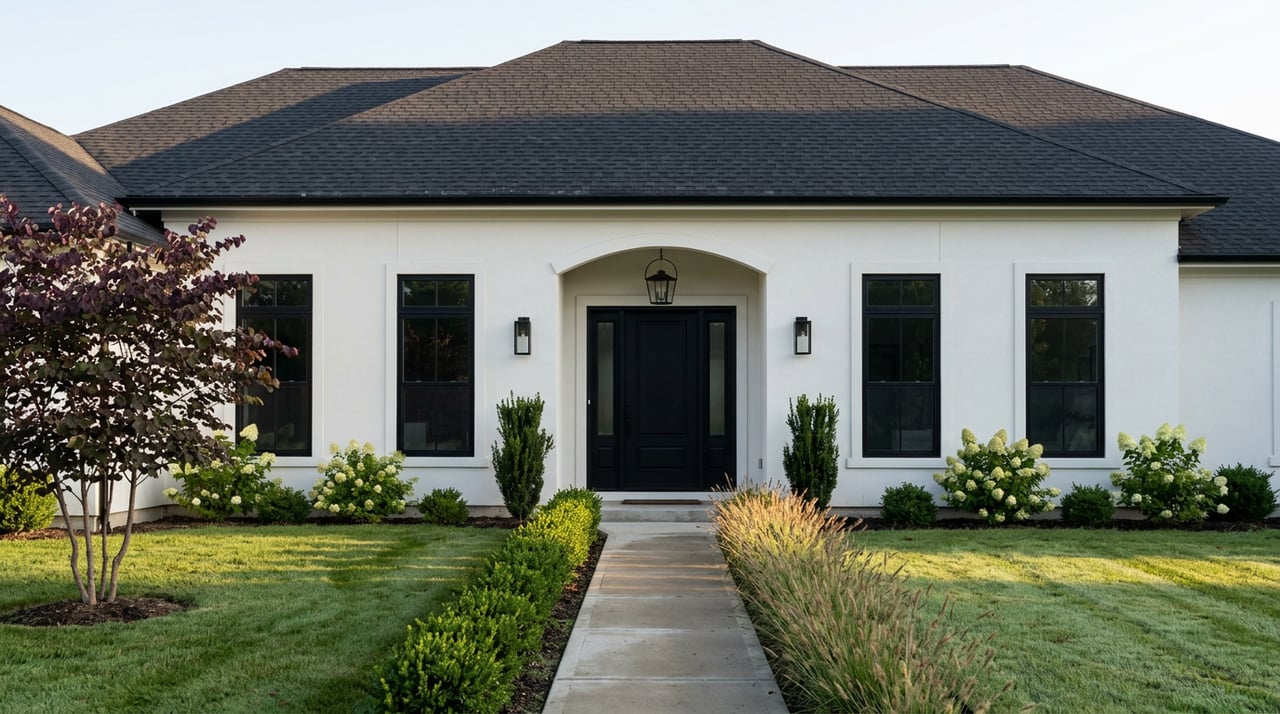
An expanded ranch example at 101 Burr Road shows why this style appeals to many buyers. The property was described as a 3-bedroom, 3-bath home on 0.48 acres with a finished basement and flexible space for guests or entertaining. If you want easier one-level living plus bonus finished space, this kind of layout may check a lot of boxes.
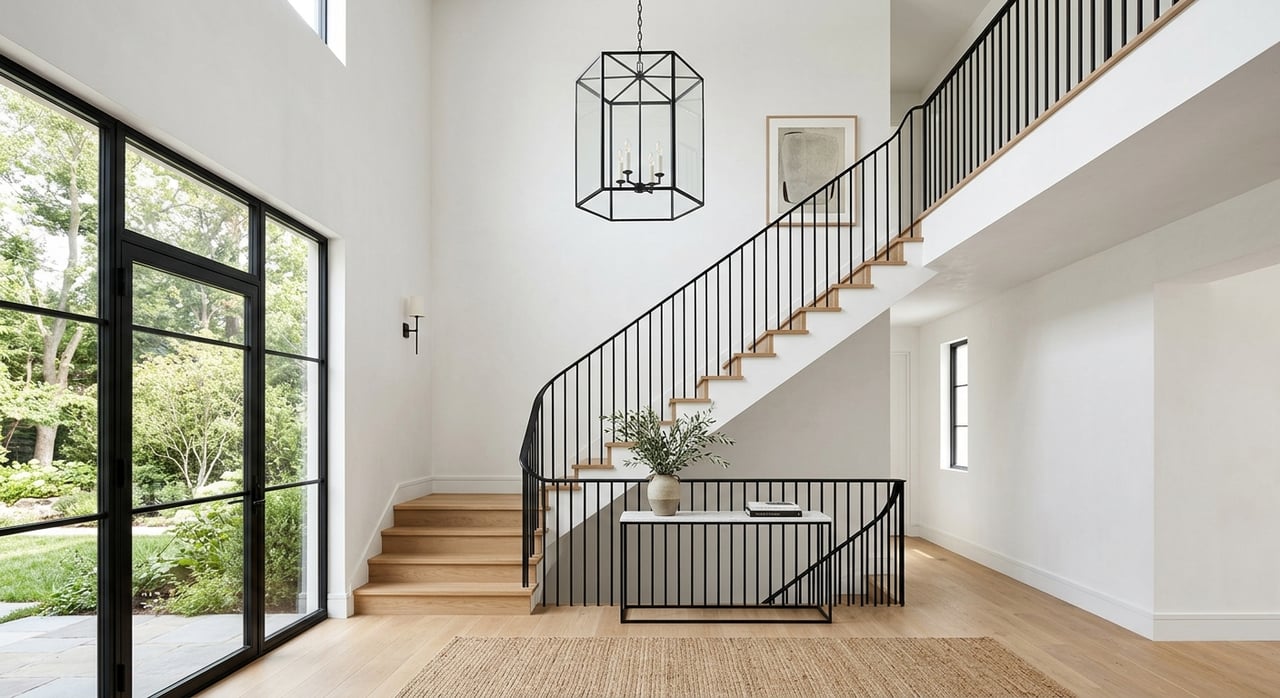
A center-hall colonial example at 42 Colonial Street highlights a different kind of move-up value. That home featured 5 bedrooms, 3.5 baths, a guest suite, formal dining room, and a half-acre lot with room oriented toward entertaining and daily household use.
The price gap between these examples is also instructive. The research shows the expanded ranch sold for $638,000 in April 2025, while the colonial sold for $960,000 in September 2025. That is a reminder that your move-up choice should go beyond square footage and include lot size, condition, layout, basement utility, guest space, and overall fit for how you live.
What to Evaluate in Each Home
When you are touring East Northport homes, try to compare them through the lens of function, not just finishes. A home that looks impressive online may not solve your actual space needs.
Focus on questions like these:
- Do you need more bedrooms, or just more flexible space?
- Would one-level living make daily life easier?
- Is a finished basement useful for work, guests, hobbies, or storage?
- How much yard do you want to maintain?
- Will the current layout reduce the need for near-term renovations?
This kind of checklist can keep you from overpaying for features you may not use. It also helps you compare homes across different styles and price points in a more practical way.
Build a Realistic Timeline
Move-up transactions often feel rushed because buyers underestimate how long each phase takes. A better plan starts with a realistic timeline.
According to Freddie Mac’s homebuying timeline, buyers may spend about 45 days shopping for a lender, around 10 weeks finding a home, 1 to 2 days reaching an offer agreement, 2 to 5 days completing an inspection, up to 2 weeks for appraisal, and 30 to 60 days closing. Actual timing varies based on inventory and how prepared you are.
In East Northport, competitive conditions can compress some of those windows. Because Redfin’s market data points to multiple-offer activity and a seller-leaning environment, it is smart to line up your financing, equity estimate, and sale strategy early rather than waiting until you find the perfect home.
Prepare for Timing Pressure
One of the biggest move-up challenges is managing the overlap between your sale and your purchase. In a market where homes can move quickly, you may not have the luxury of a long decision window.
That is why it helps to prepare for several possibilities before you make an offer:
- Your current home sells before you close on the next one
- Your next home closes before your current home sells
- Both transactions line up closely but not perfectly
- You need a short-term housing or payment backup plan
Even if everything goes smoothly, the process is easier when you have already talked through best-case and worst-case timing. Good move-up planning is really about reducing surprises.
A Smart Move-Up Strategy
For most buyers in East Northport, a strong move-up strategy includes four basics:
- Know your current home’s likely sale value so you can estimate usable equity.
- Get preapproved early so you understand your budget before competition heats up.
- Decide on your buy-sell sequence based on your risk comfort and cash reserves.
- Define your must-haves clearly so you can act quickly when the right home appears.
When these steps are in place, you can make decisions with more confidence and less stress. In a competitive market, preparation often becomes your biggest advantage.
If you are weighing your next move in East Northport, I can help you map out the numbers, timing, and neighborhood-specific strategy so you know what a move-up purchase would really look like. Reach out to Nicholas Santillo to start the conversation.
FAQs
How much equity do you need to move up in East Northport?
- There is no single number, but you should estimate your likely sale price, subtract your mortgage balance, and account for selling expenses, down payment needs, and closing costs. CFPB guidance notes that closing costs alone often run 2% to 5% of the purchase price.
Is it better to sell your current home first before buying in East Northport?
- In many cases, yes. The CFPB says homeowners normally try to sell first before buying another home, which can help you confirm your equity and avoid the pressure of carrying two housing payments.
Can you use a HELOC to buy your next East Northport home?
- Possibly. The CFPB says a HELOC lets you borrow against your home equity, but it also warns that your home can be at risk if you fall behind on payments, so it should be considered carefully.
Should you choose an expanded ranch or colonial in East Northport?
- It depends on your priorities. Expanded ranches may offer one-level living with added finished space, while colonials often provide more separated living areas, additional bedrooms, and larger overall layouts.
How long does the move-up home process take in East Northport?
- Freddie Mac’s timeline suggests about 45 days for lender shopping, around 10 weeks to find a home, and 30 to 60 days to close, though actual timing can vary based on inventory, financing, and how prepared you are.