Thinking about living by the ocean full-time, not just for a weekend getaway? Long Beach, NY offers that rare mix of shoreline access, daily convenience, and commuter connection that makes year-round coastal living feel realistic. If you are wondering what life here is actually like in January, July, and every month in between, this guide will help you understand the pace, housing options, and practical trade-offs. Let’s dive in.
What year-round life in Long Beach feels like
Long Beach is a compact barrier-island city in Nassau County with an estimated population of 34,777. At about 5 square miles, it feels close-knit and easy to navigate, with the beach and boardwalk woven into everyday life rather than set apart as an occasional destination.
The city describes itself as a beach-oriented community with a 2.1-mile boardwalk and 3.5 miles of beach. That shapes the rhythm of daily living in a very real way. You are not just near the water here. In many parts of the city, coastal access is part of your normal routine.
That said, living in Long Beach year-round is not the same as visiting in peak summer. Summer brings a busier, destination feel, while the off-season tends to feel more residential and local. For many buyers, that contrast is part of the appeal.
Summer energy and off-season calm
One of the biggest things to understand about Long Beach is its seasonal rhythm. The city notes that it is one of Long Island’s most popular summer destinations for families, so warmer months naturally bring more activity, more beach traffic, and more visitors.
Beach access is also regulated by season. During beach season, which runs from Memorial Day to Labor Day, everyone age 13 and older needs a beach pass. The boardwalk, however, stays open year-round, which means you can still enjoy one of Long Beach’s best everyday features even outside peak beach months.
This creates a lifestyle that shifts with the calendar. In summer, your weekends may feel lively and full. In the cooler months, the pace often becomes quieter and more neighborhood-focused while still offering outdoor access and local amenities.
Beyond the beach: everyday amenities
Long Beach works best year-round because life here does not depend only on the sand and surf. The city’s Recreation Campus gives residents a broad mix of options, including an indoor pool and fitness center, an ice arena, a fishing pier, a playground, basketball courts, fields, a boat launch, a dog run, a skate park, a fitness trail, and a bayfront promenade.
That lineup matters in a four-season market. When the weather changes, you still have places to stay active and connected to the community. The city also notes that the ice arena is open year-round, which adds another consistent local amenity.
Long Beach also offers a visible calendar of community activity beyond peak summer. Arts in the Plaza runs on Saturdays through October, and the farmers market runs on Wednesdays and Saturdays. Add in restaurants, shops, and business districts highlighted by the city, and you get a place that can support a real day-to-day routine.
Commuting from Long Beach to NYC and beyond
For many buyers, a beach town only works if it still connects well to work and regional travel. Long Beach has a meaningful advantage here thanks to the Long Beach LIRR station, which the MTA describes as accessible and equipped with ticket machines, a waiting area, and connections to Long Beach Bus and NICE.
The city also says riders can take the LIRR from Penn Station or Atlantic Terminal and be on the beach in less than an hour. That does not mean every commute feels short, but it does mean Long Beach offers a stronger transit link than many people expect from a coastal community.
Local transportation is more layered than a simple car-only setup. The city says buses are wheelchair accessible, and it also operates a trolley and paratransit service. On weekends, riders with a valid daily or seasonal beach pass can ride the bus for free, which adds another useful mobility option during beach season.
Housing options in Long Beach
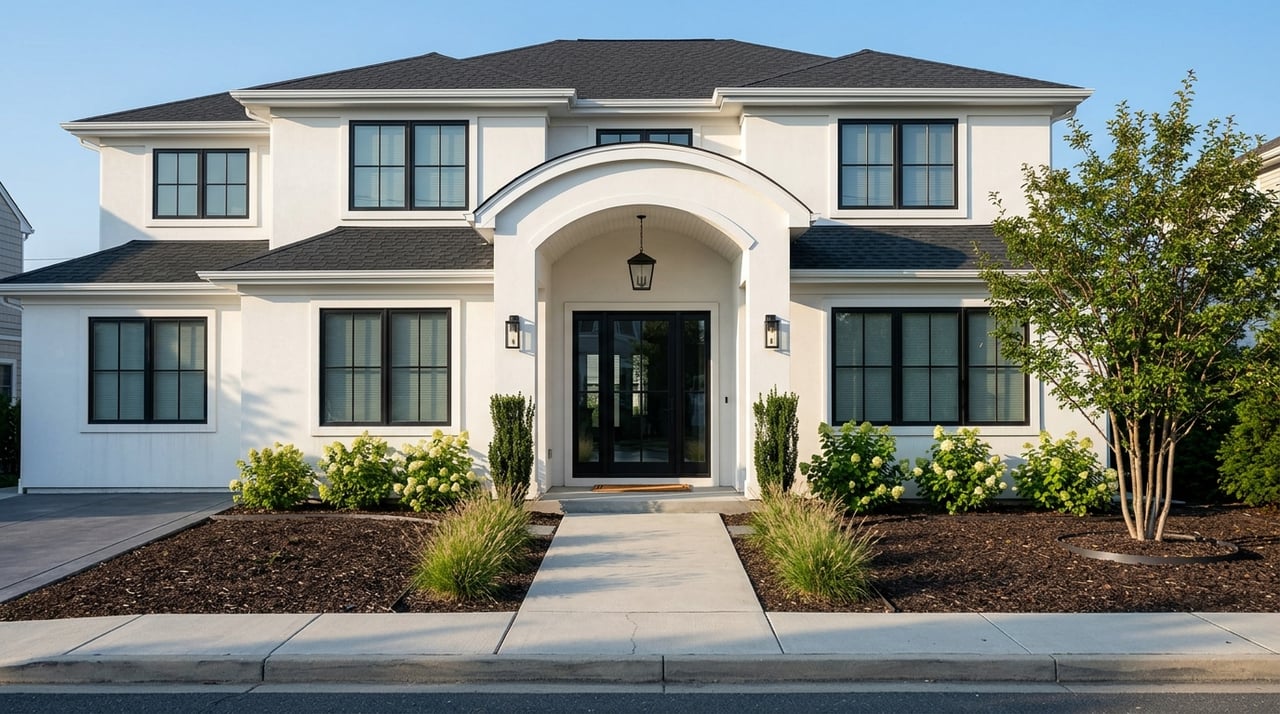
If you picture Long Beach as one type of property, it helps to widen that view. City planning materials describe a mix that includes oceanfront condominiums and co-ops, modern apartment and condominium buildings, newer homes, and older smaller homes that once served as seasonal summer houses but now function as year-round residences.
That variety is a big part of what makes Long Beach appealing to different kinds of buyers. You may find attached living, detached homes, or smaller coastal properties with a very different footprint than you would see in more inland Nassau County communities.
The ownership profile also points to Long Beach being more than a vacation market. Census QuickFacts shows an owner-occupied housing rate of 66.0%, which suggests a substantial full-time resident base. In other words, this is a place where many people live year-round, not just seasonally.
What the numbers suggest
Long Beach is a relatively expensive market, and the numbers reflect that. Census QuickFacts reports a median owner value of $696,400, a median monthly owner cost with a mortgage of $3,519, and a median rent of $2,377.
Those figures help frame the local market clearly. If you are considering a move here, you are likely balancing the value of ocean access, a compact setting, and commuter convenience against the higher carrying costs that often come with waterfront living.
For some buyers, that trade-off is worth it immediately. For others, it makes sense only if Long Beach fits both lifestyle and budget over the long term. That is why it is so important to look beyond photos and really think through your year-round routine.
Coastal realities to plan for
Living on a barrier island comes with real benefits, but it also calls for practical planning. The city’s hurricane preparedness page says hurricane season typically runs from June through November and notes that Long Beach is exposed to hurricanes because of its location.
The city’s flood information adds another important detail. FEMA maps designated the entire city as a Flood Zone in 2009, and the city notes that homeowners and renters insurance usually does not cover flood damage.
That does not mean living here is not worthwhile. It means you should go in with clear expectations. If Long Beach is on your list, storm preparedness, flood insurance questions, and property-specific due diligence should be part of your decision-making process from the start.
The city also states that it participates in the NFIP/CRS program, which can reduce flood insurance premiums for eligible policyholders. For buyers, that is a useful reminder that insurance costs can vary, and details matter.
Who Long Beach fits best
Long Beach tends to make the most sense for buyers who truly want a coastal lifestyle, not just the idea of one. If your priority is easy ocean access, a walkable-feeling compact city, and train service that supports regional commuting, Long Beach offers a combination that is hard to duplicate on Long Island.
It may be especially appealing if you like having activity in summer and a more settled atmosphere in the off-season. The year-round boardwalk, local recreation options, and everyday business districts give the city staying power outside beach season.
At the same time, buyers who want a more predictable inland suburban experience may find the coastal trade-offs less appealing. Carrying costs, flood-zone realities, and seasonal patterns are all part of the package.
How to decide if year-round living is right for you
If you are serious about moving to Long Beach full-time, it helps to evaluate the area through a practical lens. Think about your commute, your budget, the kind of housing you want, and how much daily value you place on living near the water.
A few questions can help guide that decision:
- Do you want the beach and boardwalk to be part of your normal routine?
- Are you comfortable with the costs that can come with a coastal market?
- Would train access improve your work or lifestyle flexibility?
- Does a mix of summer activity and quieter off-season living appeal to you?
- Are you prepared to ask detailed questions about flood-zone and insurance considerations?
If the answer to most of those is yes, Long Beach may be worth a closer look. For the right buyer, it offers a distinctive year-round lifestyle that blends shoreline living with real community infrastructure.
If you want help understanding which parts of Long Beach best match your goals, housing style, and budget, Nicholas Santillo can help you evaluate your options with a local, personalized approach.
FAQs
What is year-round living like in Long Beach, NY?
- Year-round living in Long Beach combines everyday coastal access with a more seasonal rhythm, with busier summers, a year-round boardwalk, and a more residential feel outside beach season.
Is the Long Beach boardwalk open all year?
- Yes, the city says the boardwalk is open year-round, even though beach access rules and beach passes apply during beach season.
Do you need a beach pass in Long Beach, NY?
- Yes, during beach season from Memorial Day to Labor Day, everyone age 13 and older needs a beach pass to access the beach.
Is Long Beach, NY good for commuters?
- Long Beach offers LIRR access, and the city says riders can travel from Penn Station or Atlantic Terminal to the beach in less than an hour, with local bus connections as well.
What types of homes are in Long Beach, NY?
- Long Beach includes a mix of oceanfront condos and co-ops, apartment and condominium buildings, newer homes, and older smaller homes that now serve as year-round residences.
Is Long Beach, NY in a flood zone?
- Yes, the city says FEMA maps designated the entire city as a Flood Zone in 2009, so buyers should review flood and insurance considerations carefully.
Is Long Beach only a summer town?
- No, Long Beach has a substantial year-round resident base, local recreation facilities, business districts, community programming, and a boardwalk that stays open through every season.