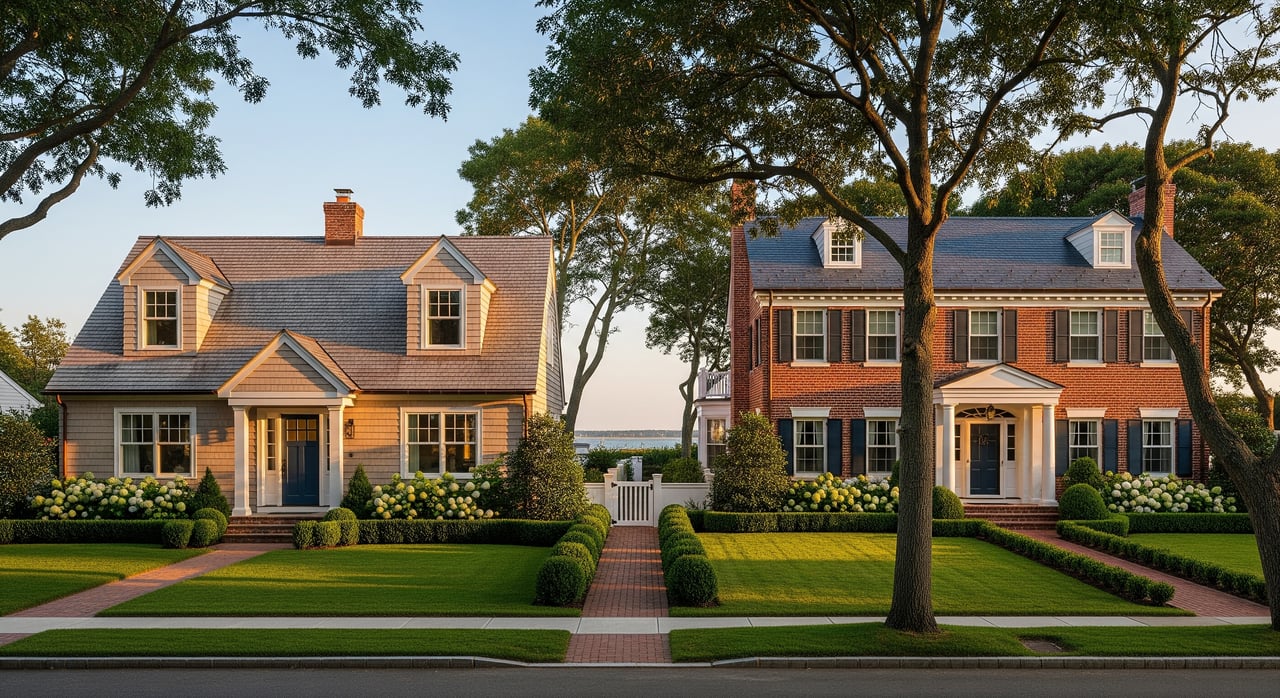
Torn between a classic Cape and a stately Colonial in Bellmore? You are not alone. Both styles are common across this south‑shore Nassau community, and each offers real benefits depending on how you live now and how you plan to grow. In this guide, you will learn the key differences in floor plans, typical bedroom counts, expansion paths, and what to check for in Bellmore’s permitting and flood zones so you can move forward with confidence. Let’s dive in.
Why style matters in Bellmore
Bellmore’s housing stock was largely built in the mid‑20th century during the post‑war boom. That means you will see many modest Capes alongside larger two‑story Colonials on neighborhood blocks. Local lot sizes, Town of Hempstead zoning, and typical setback rules shape how easily you can add space.
Parts of Bellmore sit near the South Shore and may fall within FEMA‑mapped flood zones. If you are considering a basement renovation or a vertical addition, flood status can affect what is allowed and what insurance or design changes you may need. Buyer needs also vary here. Some households want a first‑floor bedroom or flexible office space, while others prioritize a full second floor with consistent bedroom sizes.
Cape Cod basics
Capes draw on New England roots. They often show a steep gable roof and a simple, symmetrical façade. Many have front dormers that bring light and headroom upstairs.
- Stories: Typically 1 to 1.5
- Square footage: About 1,000 to 1,800 square feet in many suburban examples
- Bedrooms: Often 2 to 4, with 1 to 2 on the main floor and smaller rooms upstairs
Layout traits: A compact footprint with main living on the first floor, a separate kitchen that is sometimes opened up in renovations, and upper bedrooms tucked under the roof with sloped ceilings. You may find narrower hallways and smaller closets in original versions.
Strengths: Efficient envelope, charming curb appeal, and the ability to live mostly on one level if a first‑floor bedroom and full bath are present. Dormers can make the upstairs feel more usable.
Limitations: Limited full‑height space upstairs without dormers, smaller closets, and less daylight in attic‑level bedrooms. Adding a full second story can be a major project.
Colonial basics
Colonials in Bellmore often follow a center‑hall layout with a balanced, two‑story façade and multi‑pane windows. They offer predictable room sizes and a complete second floor.
- Stories: 2 full stories
- Square footage: About 1,400 to 3,000+ square feet in suburban examples
- Bedrooms: Often 3 to 5, usually with the primary and family bedrooms upstairs
Layout traits: A center hall with formal living and dining rooms, plus a rear kitchen that many owners open to the family room. Full ceiling height upstairs makes it easier to enlarge bedrooms or add bathrooms.
Strengths: Consistent ceiling heights, simple circulation, and flexible options for reworking upstairs layouts. Good candidates for adding a primary suite or more baths.
Limitations: Bigger footprint can mean higher energy use, and you will usually rely on stairs daily unless there is a first‑floor bedroom or suite.
Side‑by‑side trade‑offs
- First‑floor living: Capes often provide or can adapt to a main‑floor bedroom. Colonials usually put all bedrooms upstairs.
- Expandability: Colonials more easily reconfigure upstairs. Capes often need dormers or a full second‑story build to match the same headroom.
- Ceiling height and light: Colonials offer full height on the second floor. Capes have sloped ceilings upstairs that reduce full‑height area.
- Cost and complexity: Kitchen updates or plan tweaks in a Colonial can be more straightforward than altering a Cape’s roofline. Adding a second story to a Cape is a larger structural job.
Renovation potential in Bellmore
Capes: common projects
- Rear bump‑outs to expand a kitchen or family room. Often a practical way to gain daily living space.
- Shed or doghouse dormers to create full‑height bedrooms and add a bathroom upstairs.
- Full second‑story addition by raising the roof. This delivers space but requires architectural plans and structural work.
- Basement finishing for bonus area. Always check moisture history and flood risk first.
Colonials: common projects
- Open up the center hall plan by removing select walls or adding beams for a larger kitchen‑family area.
- Add a first‑floor suite with a rear or side addition if lot coverage allows.
- Attic conversions where roof pitch permits, or garage conversions if allowed by code and setbacks.
Budget tiers and timelines
- Cosmetic: Paint, floors, fixtures. Lower cost and quicker wins for resale.
- Mid‑range: Kitchens, bath additions, dormers. Requires permits and multiple trades.
- Major structural: Second stories, roof raises, and foundation work. Longer timelines, higher costs, and detailed permitting. A local architect and structural engineer can help you test feasibility early.
Permits, zoning, and site checks
Town of Hempstead basics
Most structural changes, additions, dormers, and many interior renovations require permits and inspections through the Town of Hempstead Building Department. Expect to submit plans, and work with licensed contractors who know local procedures. Lot coverage and setback rules will influence the size and location of any addition.
Flood zones and basements
Parts of Bellmore lie within Special Flood Hazard Areas. If your property is in a mapped flood zone and you plan to add habitable space, you may face elevation requirements, flood venting for raised foundations, or additional insurance. Always verify a specific parcel on FEMA’s flood maps before budgeting. Ask for a seller’s basement moisture history and look for signs of seepage.
Utilities and code upgrades
Confirm whether the home is connected to municipal sewer and review any utility upgrade requirements. Older Capes and Colonials may have limited insulation and dated HVAC. Renovations are a chance to add insulation, upgrade windows, and install efficient systems. Code may require energy updates during major projects, which can also lower operating costs over time.
Buyer checklist: Cape vs. Colonial
- Structure and envelope: Roof age, signs of prior dormers or roof alterations, foundation condition, and any settlement or moisture.
- Square footage: How the home’s size is measured. Finished basements usually do not count toward living area.
- Bedrooms and egress: Which rooms qualify as legal bedrooms with proper windows. Verify main‑floor bedroom availability if single‑level living matters.
- Stairs and headroom: Stair geometry and second‑floor headroom. Sloped ceilings in Capes can limit usable space.
- Kitchen potential: Rear yard access, likely bump‑out locations, and whether the current plan can open up.
- Systems: Age and capacity of HVAC, water heater, and electrical panel.
- Insulation and windows: Check attic insulation depth and window age.
- Site and zoning: Lot dimensions, setbacks, and whether your wish list fits within coverage limits.
- Flood status: Confirm the FEMA designation and note any elevation or insurance implications.
- Permits history: Ask for permits and final approvals for past additions, dormers, or conversions.
Seller playbook: how to position your home
If you are selling a Cape
- Highlight main‑floor living if a first‑floor bedroom and bath exist.
- Show off dormers and updates that make upstairs rooms full‑height and comfortable.
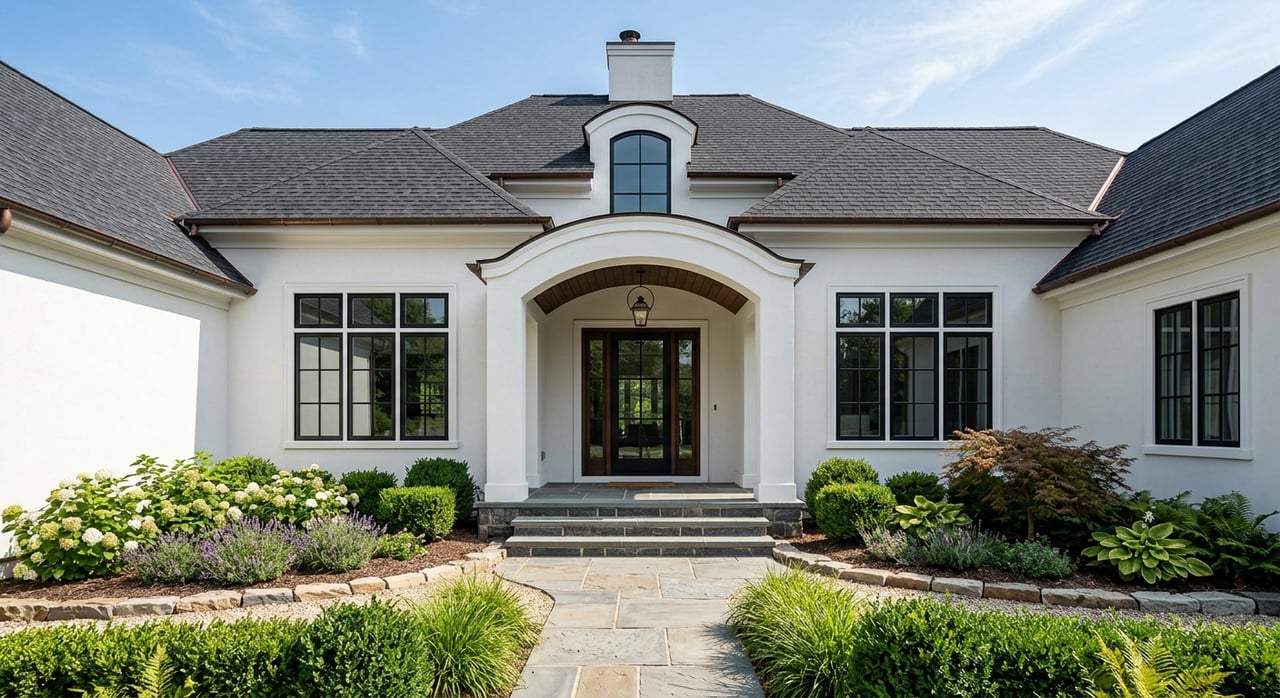
- Emphasize curb appeal with tidy landscaping and a refreshed entry.
- Provide documentation for permitted dormers, rear additions, or basement work.
If you are selling a Colonial
- Underscore the full second floor with consistent bedroom sizes and bath count.
- Illustrate flexible flow by staging formal rooms or showcasing any open‑concept updates.
- Point to expansion potential for a primary suite or additional bath, if setbacks allow.
- Share permits and plans for any structural changes or recent systems upgrades.
Staging and photo tips
- Lead with light and circulation. Photograph rooms so buyers can see ceiling heights and natural light.
- For Capes: Show upstairs headroom clearly and arrange furniture to demonstrate usable floor area under dormers.
- For Colonials: Highlight the connection between kitchen and living spaces and any modern openings between rooms.
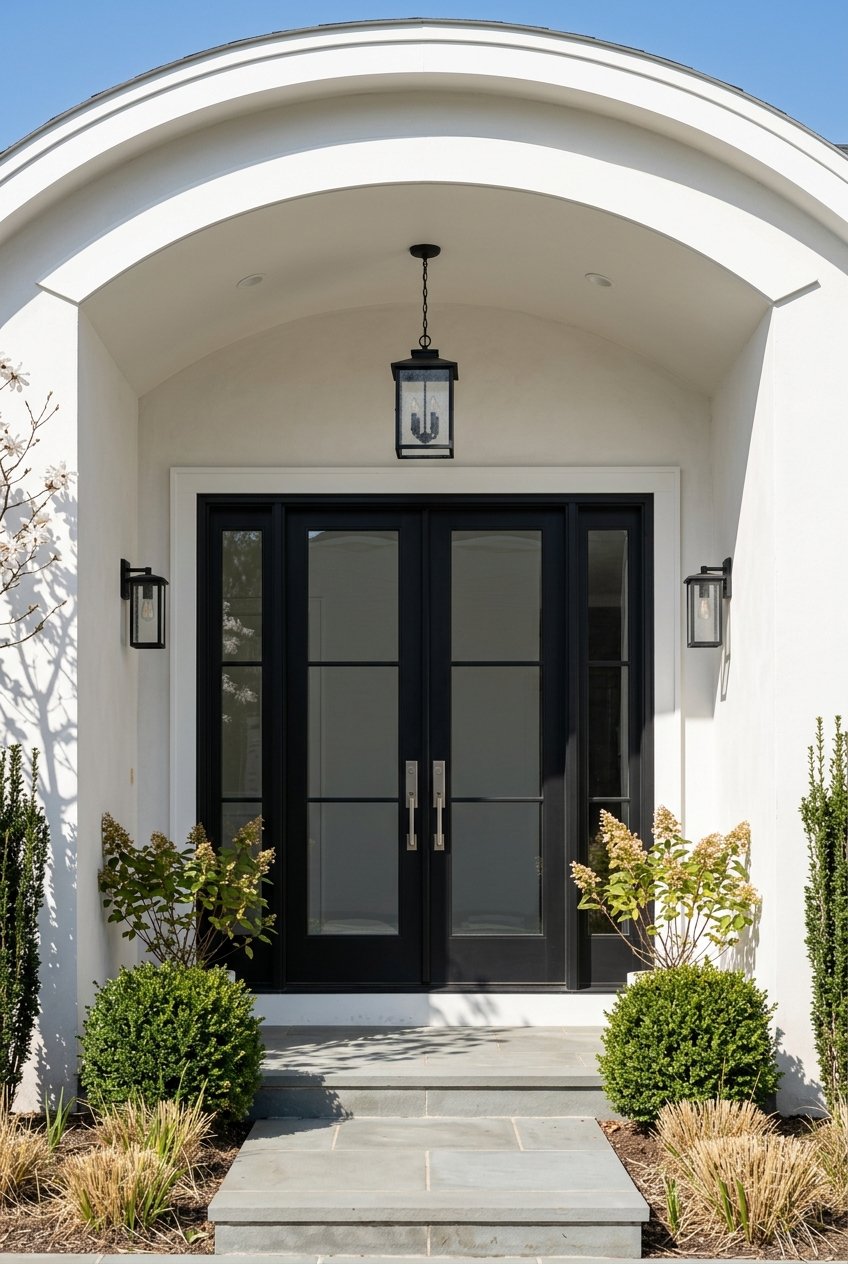
- Mind the exterior: Fresh paint on the front door, simple plantings, and clean walkways make a strong first impression.
Which style fits you?
Choose a Cape if you value main‑level living, a compact footprint, and cozy curb appeal. You can expand thoughtfully with a rear bump‑out or dormers as your needs change. Choose a Colonial if you want a full second floor, predictable room sizes, and easier options for reconfiguring bedrooms and baths.
In Bellmore, the best choice often comes down to your timeline and budget for updates, your need for first‑floor space, and whether your lot and zoning can support future additions. If you map your lifestyle to the layout and check flood and permitting early, you will make a confident call.
Ready to compare real options on the ground or talk through expansion feasibility on a specific block? Let’s connect. You can schedule a strategy chat with Nicholas Santillo to tour Bellmore Capes and Colonials and plan your next step.
FAQs
What is a Cape Cod home in Bellmore?
- A Cape is typically 1 to 1.5 stories with a steep gable roof, often 1,000 to 1,800 square feet, with smaller upstairs bedrooms under the roof and potential dormers for headroom.
How many bedrooms do Bellmore Colonials typically have?
- Many Colonials offer 3 to 5 bedrooms with a full second floor, providing consistent ceiling heights and easier options for adding bathrooms.
Are Bellmore Capes hard to expand?
- Capes can expand with rear additions or dormers relatively efficiently, while adding a full second story is a larger structural project that requires detailed plans and permits.
Do I need a permit to add a dormer in Bellmore?
- Yes, dormers and most structural changes require Town of Hempstead building permits and inspections, so plan for architectural drawings and contractor coordination.
How do flood zones affect renovations in Bellmore?
- If a property lies in a Special Flood Hazard Area, adding habitable space may trigger elevation rules, flood venting, or insurance requirements, so always verify FEMA flood status.
Which upgrades add value before selling in Bellmore?
- Kitchens and bathrooms, modest curb appeal projects, and documented, permitted improvements like dormers or layout updates typically resonate with buyers and support stronger offers.