Thinking about a Nassau County suburb that blends tree-lined streets with a real village feel? If you want convenient commuting options, a lively downtown, and classic architecture, Garden City deserves a close look. You likely have questions about daily life, schools, parks, and what home styles are common here. This guide walks you through the rhythm of living in Garden City so you can decide if it fits your goals. Let’s dive in.
Garden City’s vibe and history
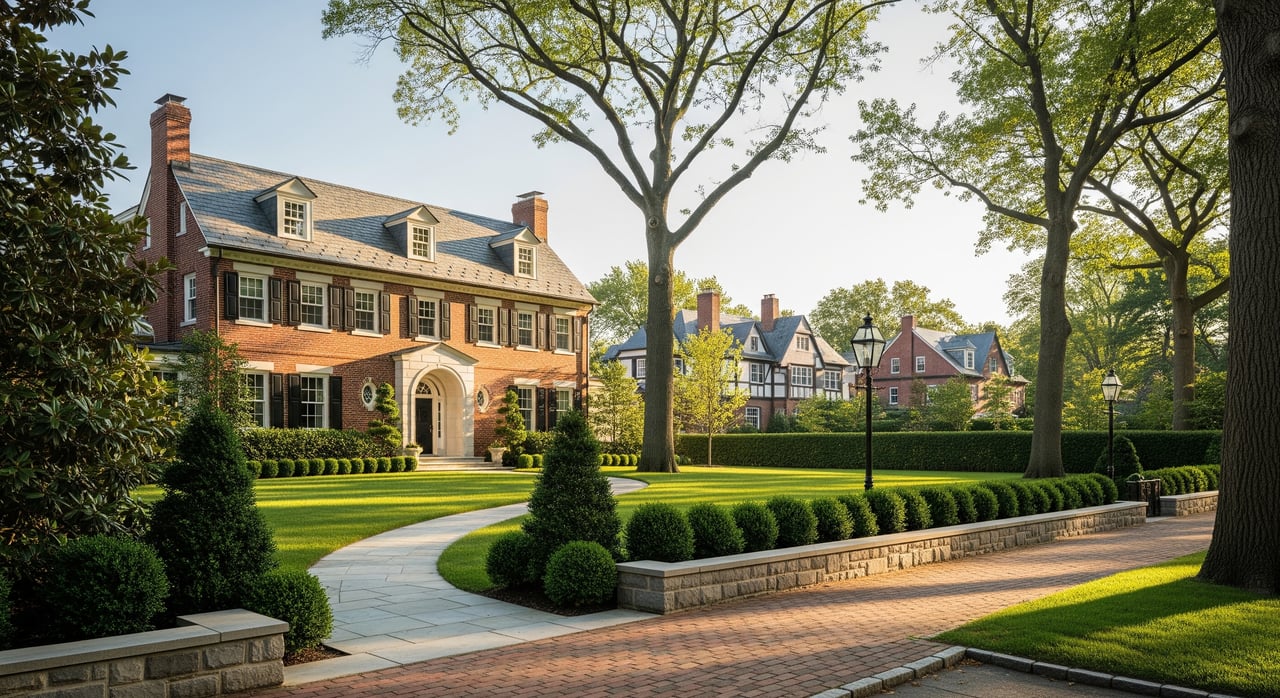
Garden City began as a planned garden suburb in the late 1800s, developed by Alexander Turney Stewart. You see that origin in the broad streets, mature trees, and mix of historic and later Colonial and Tudor homes. The village is incorporated within the Town of Hempstead, and it maintains a clear identity separate from nearby hamlets and villages.
Civic life is a big part of the local story. Longstanding community groups and neighborhood associations help keep the village’s look and feel consistent. The result is a stable, well-cared-for place that values its heritage and public spaces.
Daily life in the village center
You can handle many errands on foot. The village center brings together shops, cafes, restaurants, banks, and personal services in a compact area near commuter rail. It is easy to meet a friend for coffee, pick up a gift, and grab dinner without getting in the car.
Expect a local-first retail mix. Independent boutiques and long-running businesses anchor the scene, with some regional names sprinkled in. The Garden City Hotel adds a hospitality touch and helps bring dining and events to the core of town.
Community life tends to revolve around the calendar. School events, seasonal programs, and holiday celebrations set the tempo. It is a place where you plan ahead for concerts, parades, and neighborhood gatherings rather than a late-night entertainment hub.
Getting around and commuting
Garden City offers practical access to the Long Island Rail Road. Stations on the Hempstead Branch and nearby Main Line connect you toward Jamaica and Manhattan, with service patterns that vary by time of day. If a rail commute is part of your routine, you will want to review current timetables for peak and express options that match your schedule.
Driving is straightforward, especially in off-peak times. The Southern State Parkway, Meadowbrook Parkway, and other connectors help you reach Nassau destinations and western Long Island. Like most suburbs, peak-hour congestion is part of life, so plan extra time for rush periods.
You also have NICE Bus for local routes and ride-hailing for short hops to stations and errands. For flights, Garden City residents commonly drive or combine rail and ride-hail to reach LaGuardia, JFK, or Newark. Many households mix rail and driving based on the day, weather, and parking availability.
Schools, university, and healthcare
The Garden City Union Free School District is a key draw for many buyers. The district serves students across grades with a full range of programs and is frequently cited as one of the stronger public school systems in Nassau County. If schools are part of your decision, plan to review the latest district reports and schedule a tour.
You will also find private and parochial options in and around the village. Each school sets its own admissions process, so check application deadlines and requirements early.
Adelphi University’s main campus sits in Garden City and adds cultural texture to daily life. You have access to lectures, performing arts, and continuing education close to home. For healthcare, you will find primary-care offices in or near the village, with major hospitals and specialty centers a short drive away in neighboring communities.
Parks, recreation, and culture
The village’s tree-lined streets make walking and short bike rides a pleasant habit. Small parks, pocket greens, and shaded sidewalks encourage everyday movement. Many residents head to Nassau County parks for larger facilities and seasonal programming.
Nearby county resources include ballfields, trails, golf courses, and summer activities. Private clubs and golf courses are part of the local recreational profile, with membership-based access. Year-round, you can tap into local concerts, school events, civic programs, and university happenings.
Housing styles and what to expect
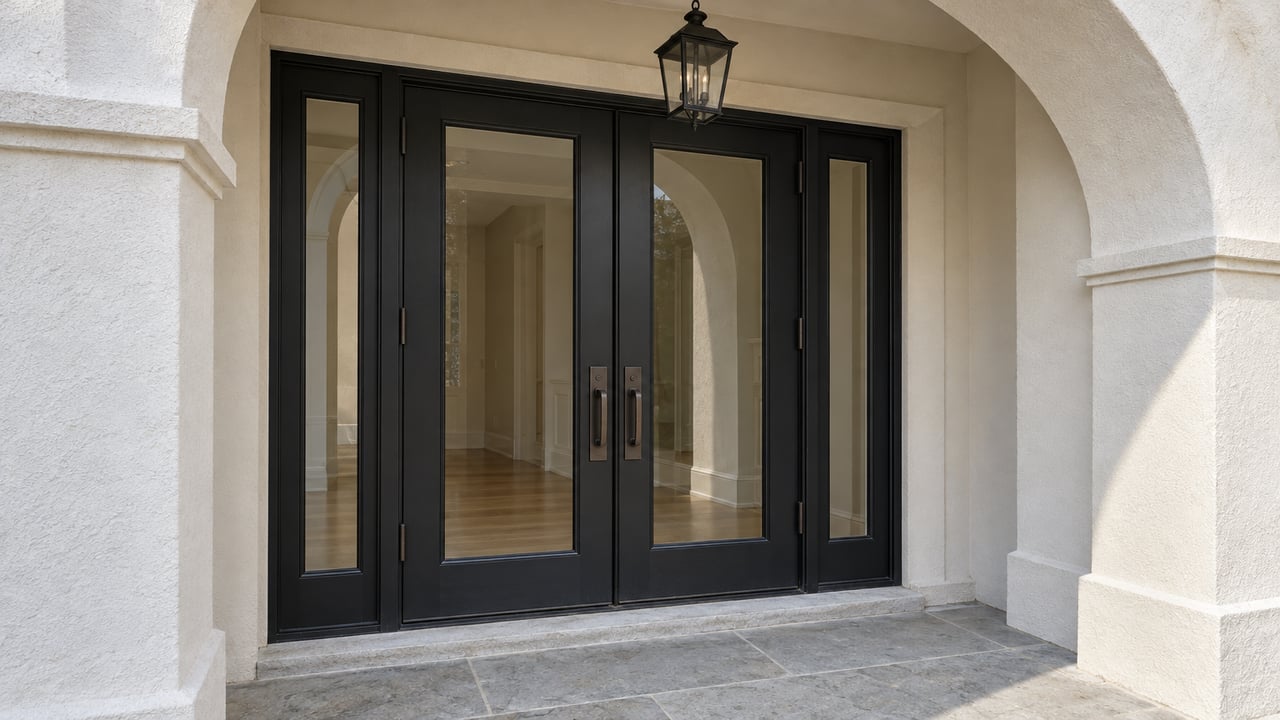
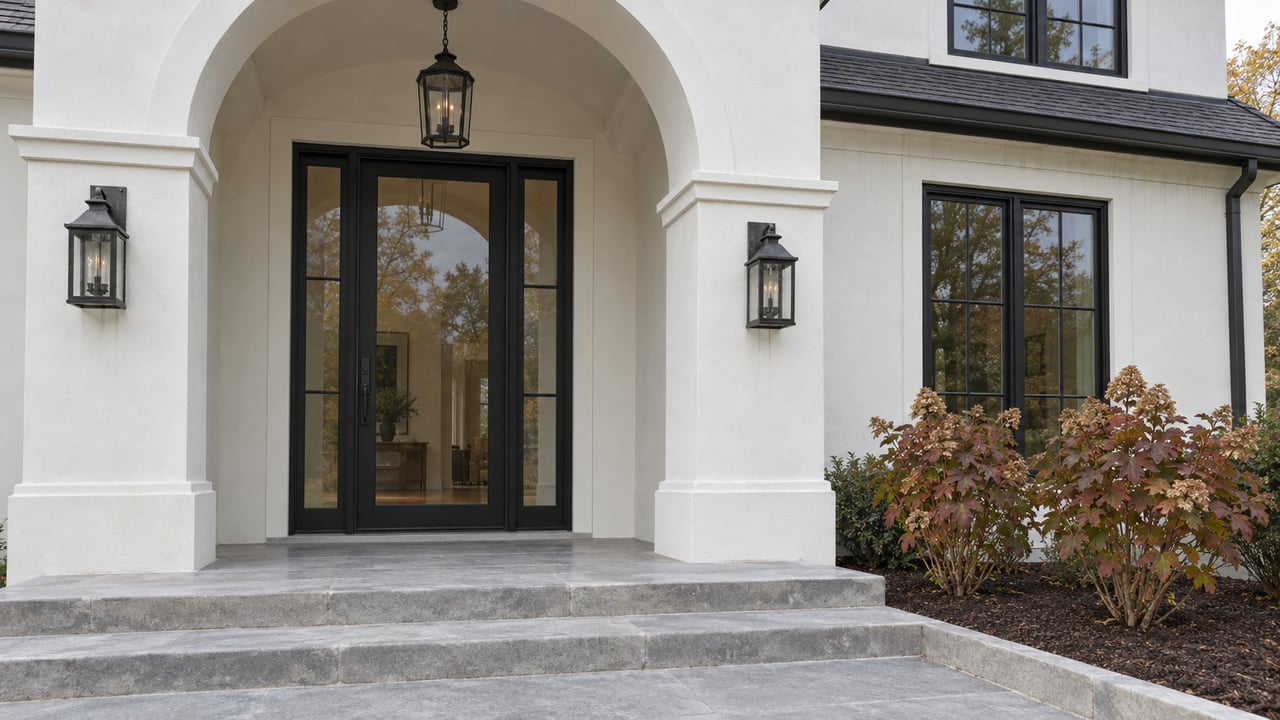
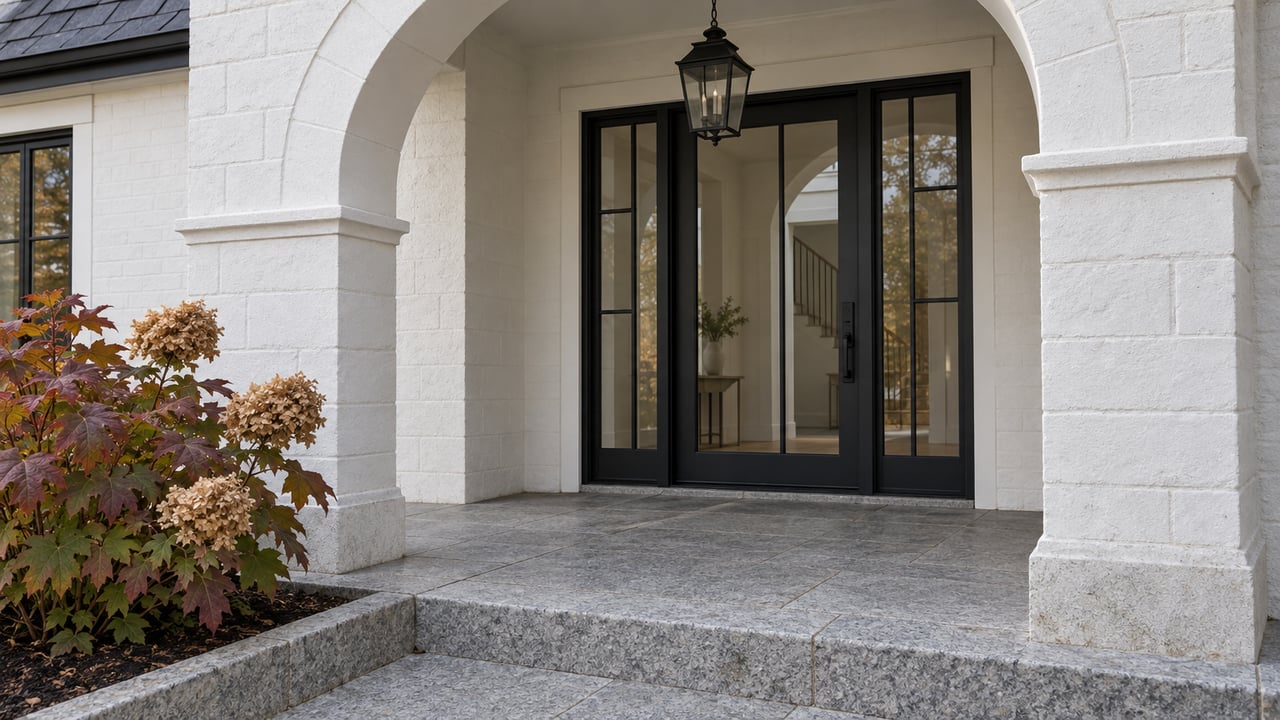
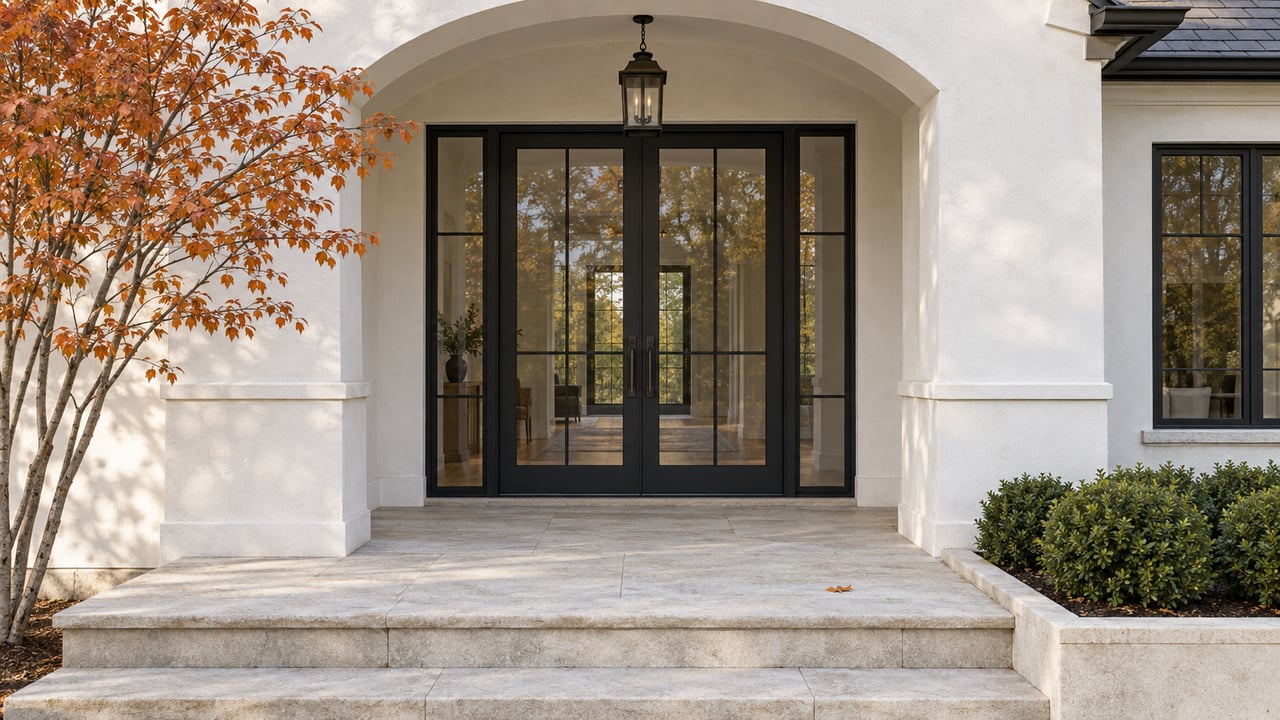
Garden City is known for detached single-family homes on medium to large lots. You will see an architectural mix, from late-19th-century homes to mid-20th-century Colonials and Tudors. There are some condos and multi-family options, though single-family ownership is the dominant pattern in the village.
Many properties are older and have been renovated over time. That charm comes with practical considerations, like maintenance or updating to modern systems. New construction is more limited, so buyers who want a specific layout or feature often plan for renovations.
Pros and tradeoffs
Pros
- Strong public schools and a family-oriented community rhythm.
- Walkable village center with independent shops and dining.
- Tree-lined streets, historic character, and architectural variety.
- Commuter options via LIRR and access to major parkways.
- Cultural and educational access through Adelphi University.
Tradeoffs
- Higher property values and property taxes compared with many farther-out Long Island areas.
- Peak-hour traffic and rail crowding are part of the commute picture.
- Limited new construction, with many buyers planning renovations on older homes.
Smart checks before you buy
A little prep goes a long way. Use this quick list to make your search smoother:
- Review the latest Garden City UFSD information and confirm school zoning for addresses you are considering.
- Check LIRR schedules for each nearby station and map out your exact route for peak and off-peak times.
- Confirm parking rules, including station permits and village policies for overnight or street parking.
- Understand village regulations related to renovations, including permits or historic-preservation rules if relevant.
- Study recent comparable sales in the specific neighborhood to align your budget and expectations.
Who Garden City fits
If you want a suburban home with a village center, Garden City is worth a look. Many buyers are professionals who commute to the city and value predictable rail service. Families often prioritize the public school system and the steady pace of community programming.
You might also be drawn to the area if you appreciate historic homes and mature streetscapes. If you prefer a new build or a nightlife-driven environment, you may find better fits elsewhere on Long Island. The key is matching your day-to-day priorities with what the village offers.
Next steps
Finding the right home in Garden City takes local insight, careful planning, and clear communication with your agent. You want someone who knows the micro-markets, understands commuter tradeoffs, and can guide you through inspections, permits, and pricing.
If Garden City is on your list, let’s talk through your plan. Reach out to Nicholas Santillo for a neighborhood-first strategy, tailored property search, and a smooth path from touring to closing. Let’s connect.
FAQs
Is Garden City, NY a good fit for families?
- The village is widely regarded as family-friendly due to its public schools, community programs, and village-centered amenities.
How do Garden City residents commute to Manhattan?
- Many use the LIRR via the Hempstead Branch or nearby Main Line stations, with specific routes based on current schedules and job locations.
What housing styles are common in Garden City?
- You will mainly find detached single-family homes, including historic styles and later Colonials and Tudors, plus some condos and multi-family options.
Are there restaurants and shopping in Garden City’s center?
- Yes, the village core offers a walkable mix of restaurants, cafes, boutiques, and services suitable for daily errands and casual dining.
Is living in Garden City expensive compared with other LI towns?
- Garden City tends to be more expensive than broader Long Island averages for homes and property taxes; review current listings and tax data for specifics.