Selling your home in Oceanside is not just about putting a sign in the yard and waiting for offers. In a market where homes can move quickly and many buyers start online, the way your home looks, feels, and shows up on day one can shape the entire result. If you want to stand out, attract serious attention, and help buyers picture themselves in your space, a smart staging and marketing plan matters. Let’s dive in.
Why presentation matters in Oceanside
Oceanside is a well-established homeowner market, with 93.2% of homes owner-occupied according to the U.S. Census. It is also highly connected, with 96.5% of households reporting a broadband subscription. That matters because many buyers will likely see your home online before they ever decide to schedule a showing.
The local market also moves at a pace that rewards a strong launch. Recent market snapshots showed a median sale price around $767,041, median days on market of 40, and 50.1% of homes selling above list price, while another estimate placed the average home value at $788,785 with homes going pending in about 23 days. The exact numbers vary by source, but the takeaway is simple: in Oceanside, first impressions can influence buyer interest quickly.
What staging actually does
Staging is not about turning your home into a showroom or chasing every design trend. Its real purpose is to help buyers visualize living there by decluttering, styling, repairing, and depersonalizing the space.
That can have a real impact. In the National Association of Realtors 2025 survey, 83% of buyers’ agents said staging made it easier for buyers to picture a property as their future home. The same survey found that 29% of buyers’ agents reported staged homes received offers that were 1% to 10% higher, and 49% of sellers’ agents saw staged homes sell faster.
For many sellers, the good news is that effective staging does not always mean a major spend. NAR reported a median staging service cost of $1,500, compared with $500 when the agent handled staging themselves. In many cases, the biggest gains come from focused updates, not a full redesign.
Focus on the rooms buyers notice most
If you are short on time or budget, start where buyers tend to focus first. Survey data points to three high-priority spaces:
- Living room
- Primary bedroom
- Kitchen
These rooms often set the tone for the rest of the showing and carry a lot of weight in photos.
Stage the living room first
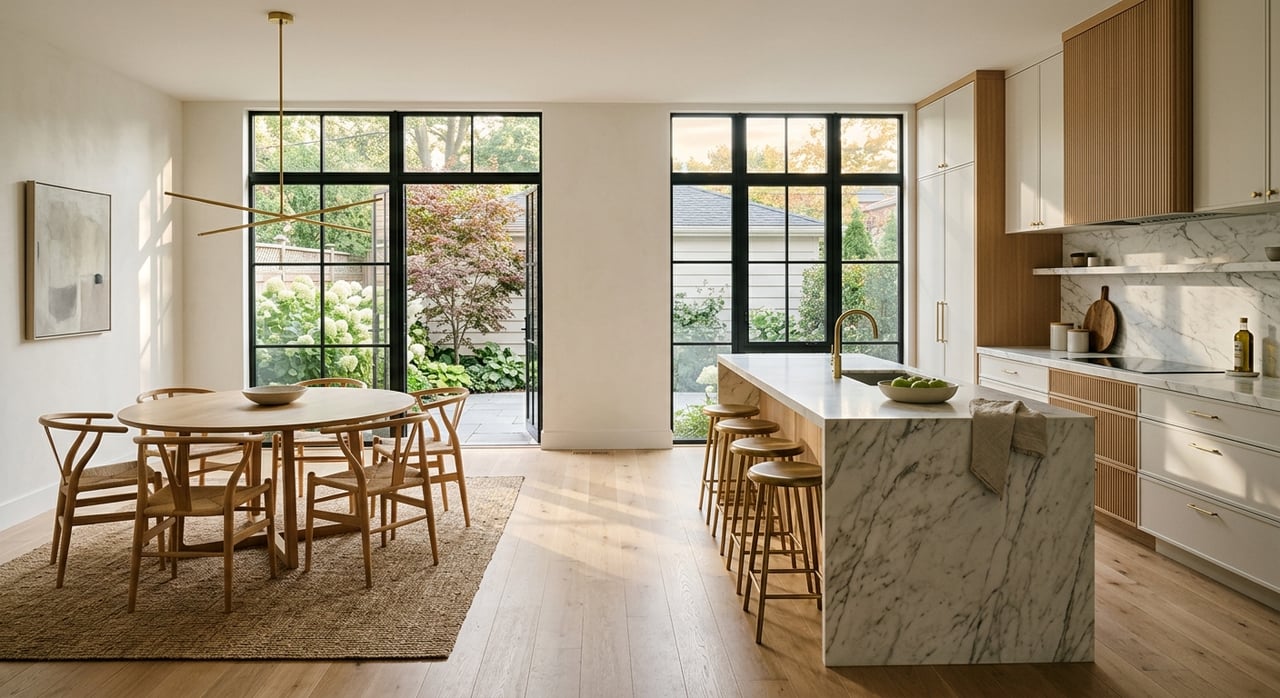
The living room is often the visual anchor of the listing. Remove bulky furniture, open up the traffic flow, and make sure the room feels bright and easy to move through. Buyers tend to respond well to spaces that feel flexible, comfortable, and functional.
If possible, let natural light become part of the presentation. A room that feels open and usable tends to photograph better and can help buyers imagine several ways to live in the space.
Calm the primary bedroom
Your primary bedroom should feel restful, simple, and spacious. Neutral bedding, limited decor, and fewer personal items can make the room feel more inviting to a broader range of buyers.
The goal is not to erase personality completely. It is to soften the room enough that buyers can imagine it as their own retreat.
Simplify the kitchen
The kitchen does a lot of heavy lifting in both photos and in-person showings. Clear the countertops, remove magnets and papers from the refrigerator, and keep the floors as visible as possible.
A deep clean also goes a long way here. When the kitchen looks bright, tidy, and easy to maintain, buyers tend to focus more on the space itself and less on distractions.
Do not overlook small spaces
Some of the easiest staging wins come from areas sellers sometimes treat as secondary. These spaces can still shape the overall impression of your home.
Refresh the entry and curb appeal
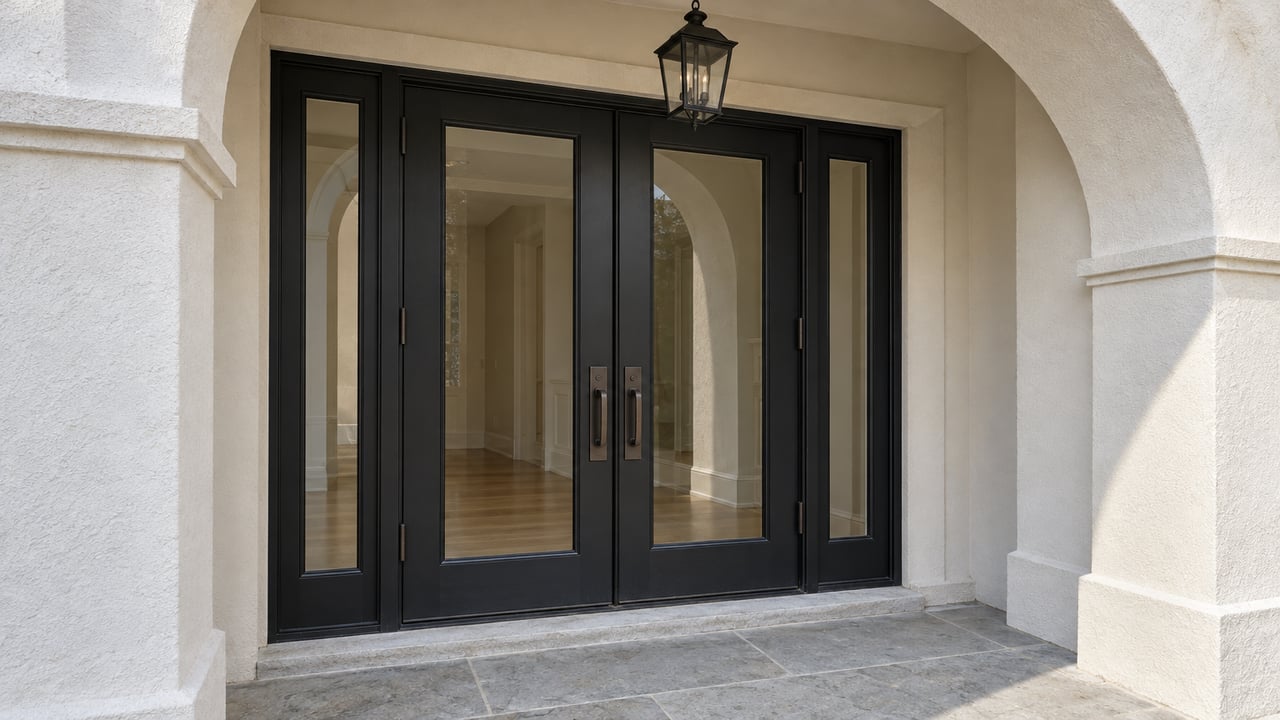
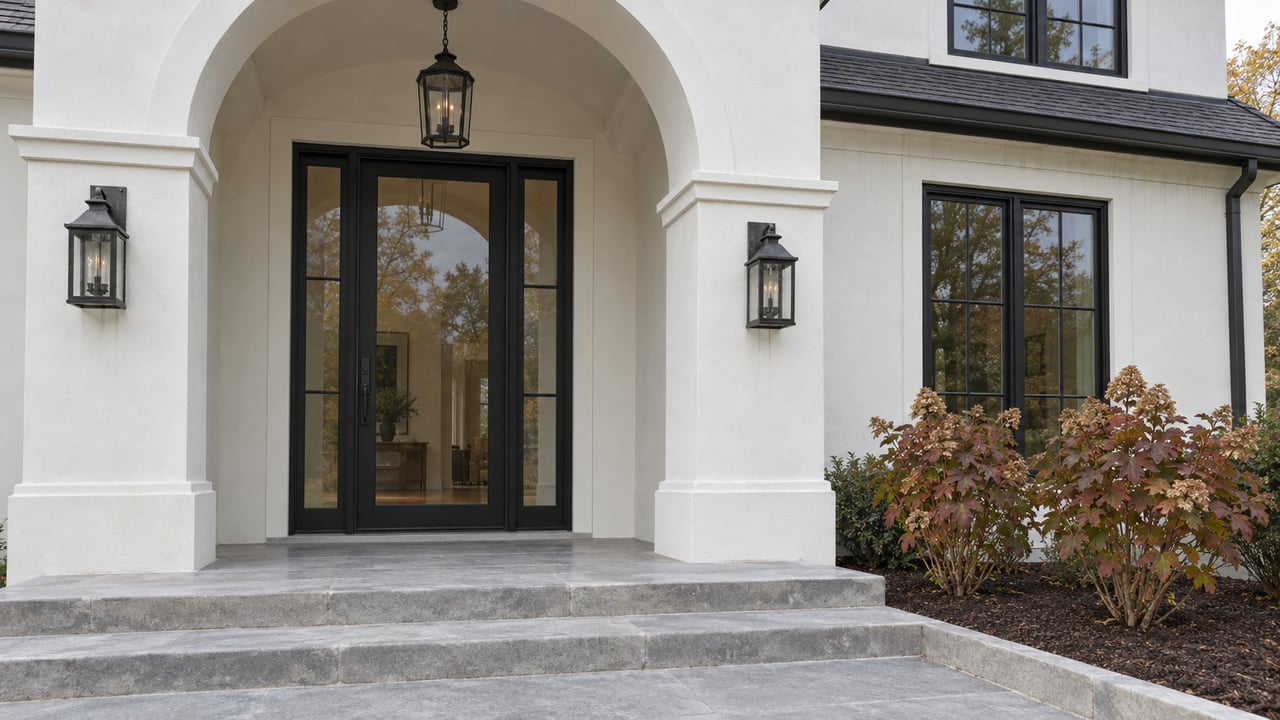
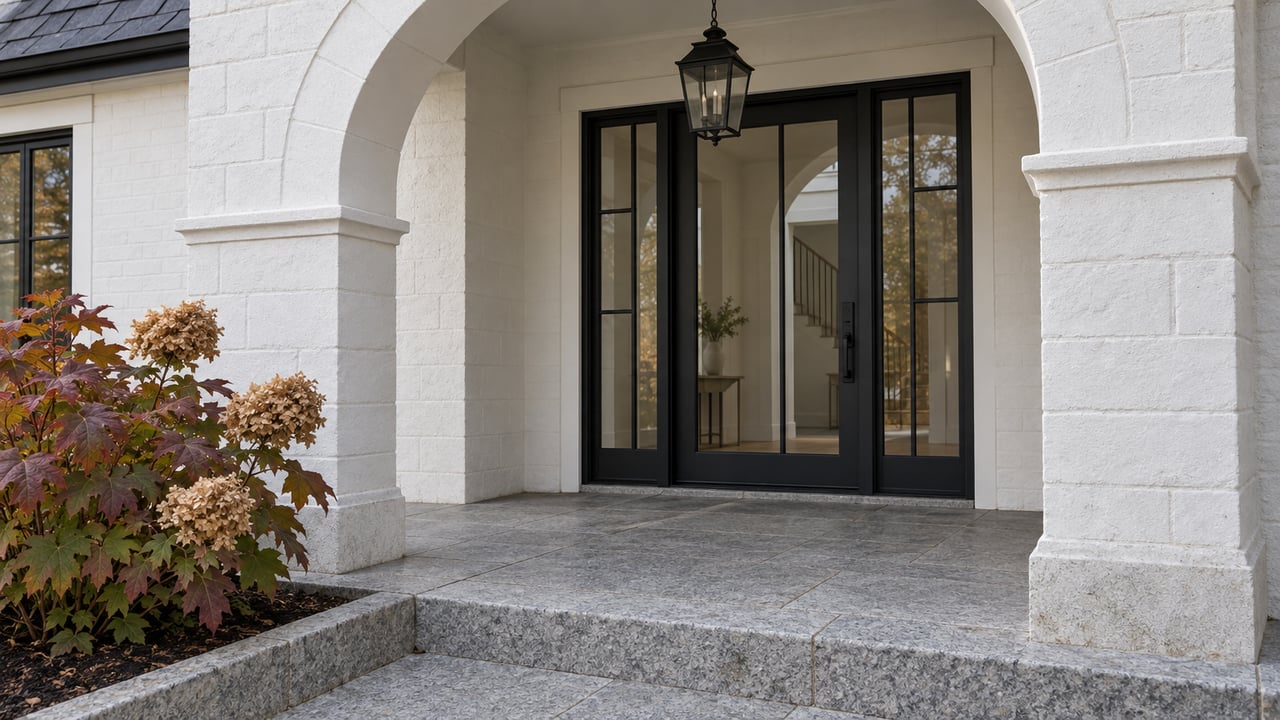
Your front entry creates the first in-person moment for buyers and often appears in the first set of listing photos. Clean the front door, trim landscaping, add a simple doormat, and keep walkways clear.
A neat exterior sends a message that the home has been cared for. That sense of care can carry through the entire showing.
Clean up bathrooms
Bathrooms should feel clean, neutral, and finished. Hide toiletries, put out fresh towels, and replace anything that looks worn, like an old shower curtain.
Small details matter here. A spotless bathroom can help the whole home feel better maintained.
Organize closets and storage
Storage matters to buyers, but crowded storage works against you. Closets should look organized and about half full rather than packed.
When buyers can clearly see the available space, the storage usually feels larger and more useful.
Show flexibility in bonus rooms
If you have a home office, den, or flex room, stage it to show options. A space that suggests work, guests, hobbies, or general overflow use can appeal to more buyers than a room designed for one very specific purpose.
Versatility is especially helpful in online marketing, where buyers are making quick decisions based on limited information.
Build your marketing around online buyers
Because Oceanside households are highly connected, your digital presentation deserves just as much attention as your in-person showings. For many buyers, the listing is the first showing.
Zillow’s 2025 consumer research found that the most important listing features were a floor plan at 33%, high-resolution photos at 26%, and a 3D or virtual tour at 20%. The same research found that 68% of prospective buyers had viewed for-sale homes on a real estate website and 59% had been searching for six months or longer. That means buyers are often comparing listings carefully, not just scrolling casually.
Use high-quality listing photos
Photos remain one of the most important parts of your listing package. NAR reported that 73% of buyers’ agents said photos were highly important to their clients.
Your listing should include clear, well-lit images of all key rooms, plus standout features, natural light, and outdoor space. Good photography should make the home feel honest, polished, and inviting.
Add a floor plan
A floor plan helps buyers understand how the home fits together. That matters because even strong photos cannot always show flow, room relationships, or how space is distributed.
If buyers can quickly understand the layout, they may feel more confident booking a showing.
Include video or a virtual tour
Video and virtual tours can help your listing stand out and give buyers a better sense of the home before they visit. This is especially useful for people narrowing down choices online.
For an Oceanside listing, pairing room-by-room staging with a floor plan and a digital walkthrough can create a stronger first impression across every screen.
Keep marketing and showings aligned
One of the most important rules in home marketing is simple: the showing should confirm what the listing promised. If your photos feel bright, clean, and spacious, the home should feel that way in person too.
That consistency builds trust. It also helps serious buyers stay emotionally engaged once they walk through the door.
This is also where honest presentation matters. If virtual staging is used for a vacant or dated room, it can be useful, but material photo enhancements should be disclosed so buyers are not misled about the home’s actual condition.
How much staging is enough?
In most cases, enough staging means your home feels clean, uncluttered, and easy to picture as someone else’s future home. You do not need to redesign every room to make a strong impression.
For many Oceanside sellers, the right plan is targeted and practical:
- Declutter visible surfaces
- Remove overly personal items
- Deep clean key rooms
- Improve light and flow
- Prioritize the living room, primary bedroom, and kitchen
- Prepare strong visuals for the listing launch
That approach can create real impact without adding unnecessary cost or delay.
A smart launch can shape your result
In a market where buyers move fast and do their homework online, preparation is part of your pricing and marketing strategy. Staging helps buyers connect with the home. Strong visuals help them notice it. A consistent showing experience helps them trust what they see.
When those pieces work together, your home has a better chance to attract attention early and compete well from the start. If you are getting ready to sell in Oceanside, working with a local agent who understands both presentation and digital exposure can make that process much more effective.
If you are thinking about selling and want a tailored plan for staging, pricing, and launch strategy in Oceanside, connect with Nicholas Santillo for personalized guidance.
FAQs
How important is home staging for selling in Oceanside?
- Home staging can help buyers picture themselves living in your home, and survey data from NAR found that staged homes can sell faster and sometimes receive higher offers.
Which rooms should I stage first before listing my Oceanside home?
- If you want to focus your time and budget, start with the living room, primary bedroom, and kitchen because those are the spaces buyers tend to notice most.
What marketing materials should my Oceanside listing include?
- A strong listing should usually include high-resolution photos, a floor plan, and a video or virtual tour so buyers can evaluate the home clearly online.
Is virtual staging okay for an Oceanside home listing?
- Yes, virtual staging can be useful, especially for vacant or dated rooms, but material changes should be disclosed so buyers understand the home’s true condition.
How much staging do I really need before selling my Oceanside home?
- Many homes benefit most from decluttering, depersonalizing, cleaning, and targeted room updates rather than a full redesign.